Drop tower rides are among the most thrilling attractions in amusement parks, offering a rapid vertical ascent followed by a controlled free-fall experience. While the sensation is intense, the engineering behind these rides is built on highly advanced safety systems and strict global standards. Every component, from structural design to braking technology, is carefully developed to ensure passenger protection at every stage of operation.
At the core of modern engineering is Safe drop tower ride design, which focuses on balancing thrill with multiple layers of safety redundancy. The tower structure is typically constructed using high-strength steel designed to withstand extreme wind loads, repeated stress cycles, and long-term fatigue. Engineers perform extensive load simulations and stress testing before a ride is approved for public use. The gondola systems are also designed with multiple restraint mechanisms, including over-the-shoulder harnesses and automatic locking systems that prevent accidental release during operation.
One of the most critical safety innovations in these rides is the braking system. Instead of relying on traditional mechanical brakes alone, most modern drop towers use magnetic braking technology. This system ensures a smooth, controlled deceleration without physical contact, significantly reducing wear and minimizing the risk of mechanical failure. Emergency backup systems are also integrated, allowing the ride to safely stop even in the event of a power outage or primary system malfunction.
Behind every installation is a rigorous process managed by Drop tower ride manufacturers. These specialists are responsible for ensuring that every component meets international amusement ride safety standards. Before delivery, each ride undergoes factory testing, including full-load operation, emergency stop simulations, and repeated cycle endurance tests. Manufacturers also provide detailed engineering documentation to ensure compliance with local regulations and safety inspections.
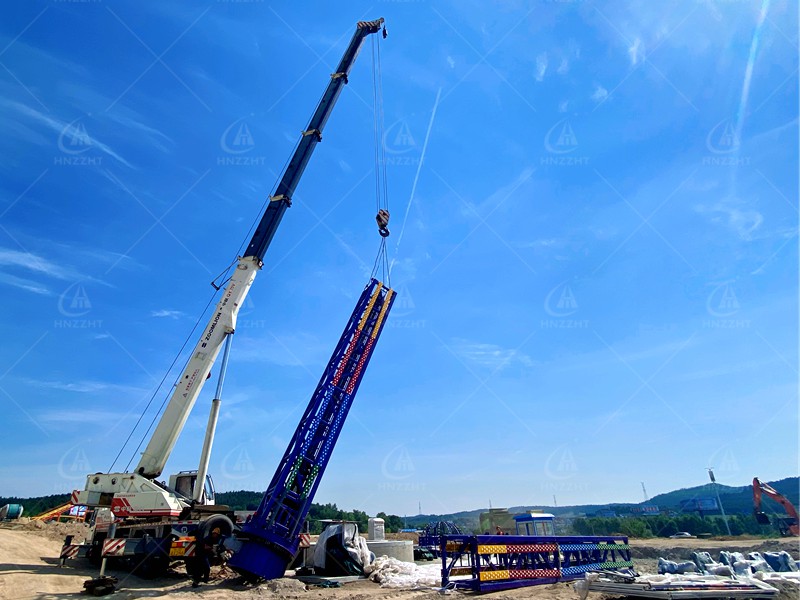
Site preparation is equally important for safe operation. Foundations must be constructed to exact specifications to ensure structural stability. Soil testing, wind zone analysis, and seismic considerations are typically required before installation begins. Once the tower is erected, alignment and calibration are performed with precision instruments to ensure perfect vertical balance and smooth ride movement.
The final step in the process is detailed commissioning guided by the Drop tower ride installation guide. This guide outlines every phase of assembly, from anchoring the base structure to wiring control systems and testing safety protocols. Installation teams follow strict step-by-step procedures to ensure that all mechanical, electrical, and hydraulic systems are functioning correctly. After installation, multiple trial runs are conducted without passengers to verify operational safety, braking accuracy, and emergency response systems.
Regular maintenance also plays a crucial role in long-term safety. Operators are required to perform daily inspections, lubrication of moving parts, and periodic system diagnostics. Safety audits are conducted on a scheduled basis to ensure continued compliance with industry standards.
In conclusion, drop tower rides achieve their thrilling experience not by compromising safety, but by integrating advanced engineering, strict manufacturing controls, and precise installation procedures. Through continuous innovation and rigorous safety management, these rides remain one of the most exciting yet secure attractions in modern amusement parks.