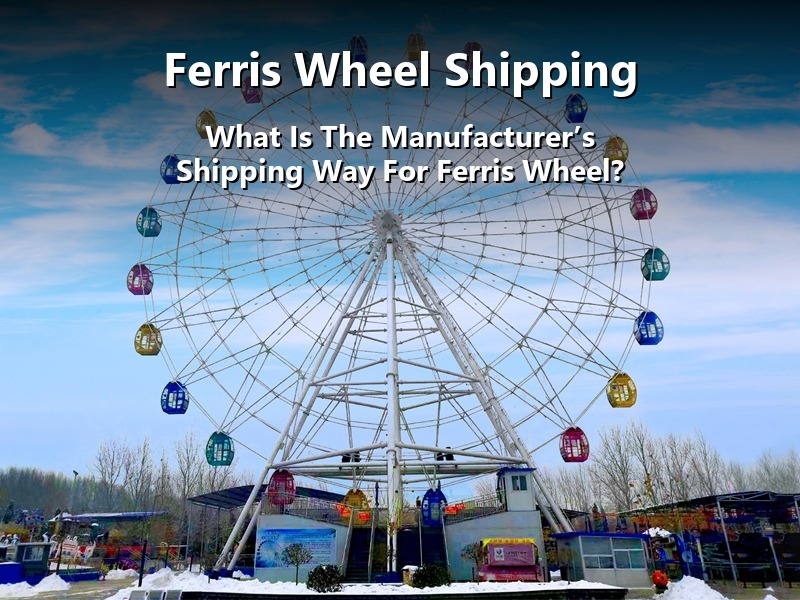
What Is The Manufacturer’s Shipping Way For Ferris Wheel?
The Manufacturer’s Shipping Way For A Ferris Wheel Ferris wheel shipping is not one decision, it is a chain of them: how the steel is packed, which containers the wheel fits into, who pays the freight, which documents travel with the machine and how the cabins reach your park without a dent. This article walks through the way an experienced ferris wheel manufacturer actually moves a wheel from the workshop to a site overseas, and what you should agree in writing before the first container is loaded. 01 What The Shipping Way Covers When a supplier talks about the shipping way, they usually mean the combination of packing method, container plan, freight terms and delivery point. On a ferris wheel the packing method and the container plan are the technical part, because the rim segments, the main column, the base plates and the cabin set have very different shapes and weights. The freight terms are commercial: FOB port of loading, CFR or CIF to your destination port, or DAP straight to your park, and each one moves a different share of the risk and the paperwork to you. Ask for the container loading plan as a drawing, not as an...
Learn More >>