Testing A Flying Chair Ride After Production
A flying chair ride can look complete on the factory floor while still hiding problems that only appear when the wheel turns, the chairs swing and the brakes are applied. Proper flying chair ride testing therefore happens in stages after production: a detailed inspection of the assembled structure, no-load running checks, a controlled load test and a final verification of every safety device. The purpose is simple: prove that the machine behaves as designed before it is packed for the customer.
Why Testing Starts After Assembly, Not At Delivery
Many parts of a flying chair ride are made separately and only meet for the first time during factory assembly. The centre column, rotating frame, suspension arms, chairs, drive unit, brake assembly and control cabinet all have to work as one system. If the first complete run happens after the ride reaches the park, a small alignment error or a wiring mistake can turn into a costly installation delay.
Factory testing gives the production team a chance to correct those issues while the machine is still under their control. A responsible flying chair ride manufacturer tests the assembled ride, records the results and keeps the machine in the same configuration for shipment. Parts that were removed for packing should be marked clearly so that the site team can refit them in the correct position.
The test also creates a baseline. Motor current, running speed, brake response, noise level and structural condition can be recorded when the ride is new. If the same measurements are taken again during annual maintenance, the operator has a reference for deciding whether a change is normal wear or a developing fault.
Structural And Mechanical Inspection
The first stage is a slow, systematic inspection of the assembled structure. The inspector checks welded joints for cracks, undercut, porosity and unfinished areas, then confirms that every bolted connection uses the correct grade and length of fastener. Critical bolts are tightened to the specified torque and marked so that movement can be seen later. Pins, retaining clips, locking plates and safety cables must be fitted exactly as shown on the drawing.

The rotating frame deserves particular attention. The inspector checks that the arms are level, that the chair hangers move freely and that no chair can contact the frame or another chair through its full swing. The centre bearing, slewing ring and drive connection are examined for correct seating, lubrication and free rotation. Any abnormal sound during a slow manual turn is investigated before power is applied.
Measurements are compared with the approved drawings: overall diameter, chair height, ground clearance, platform position and the distance between moving parts and fixed structures. Paint and galvanising are inspected at the same time, because damage found before shipment is much easier to repair than damage discovered after weeks at sea.
No-Load Running And Drive Checks
Once the mechanical inspection is complete, the ride is run without passengers. The first runs are kept at low speed while the team listens for unusual noise, watches for vibration and checks that the chairs swing smoothly without snatching. Rotation in both directions is tested, and the ride is observed through several complete cycles rather than for only a few seconds.

The drive system is checked under steady running conditions. Motor current should remain within the expected range, the gearbox should run without overheating, and the chain, belt or direct drive should track correctly without rubbing. Bearing temperature and vibration are monitored, and the control system is checked for smooth acceleration, stable speed and controlled deceleration. If the ride uses a variable frequency drive, the programmed acceleration and braking curves are verified against the design values.
The brake test is not limited to pressing the stop button. The team confirms that the service brake holds the ride securely, that the emergency brake operates independently where the design provides one, and that the ride comes to rest without a harsh jolt that could throw seated passengers forward. The stopping position and the release procedure are also checked so that the platform remains usable after every stop.
Load Testing With Controlled Weights
A no-load test cannot prove how the structure behaves when the chairs are full. The next stage uses calibrated test weights distributed according to the seat layout and the ride’s approved loading plan. The weights are secured so that they cannot slide or fall, and the total load is recorded before the test begins. The target load should follow the machine’s design and the applicable local requirements rather than a figure copied from another project.
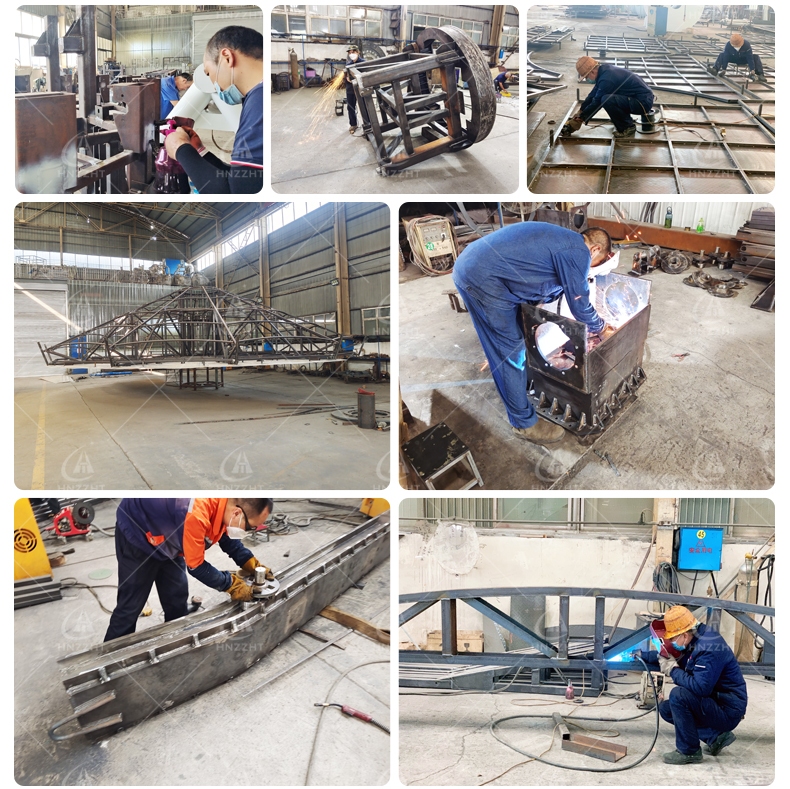
The ride is then operated through its normal speed range and braking cycle. Inspectors watch the main frame, arm connections, hanger points and foundation connections for deflection, movement or unusual noise. The drive current and motor temperature are compared with the no-load readings, and the brake is checked again with the full load in place. A balanced amusement park flying chair ride should accelerate and stop evenly, without noticeable sway or one side lagging behind the other.
Where the design includes a static load check, the specified test load is applied gradually and held for the required period. Measurements are taken before and after, and the structure is examined for permanent deformation, cracked paint at joints or loosened fasteners. Any issue found at this stage must be corrected and the relevant test repeated; a visual check alone is not enough to clear a failed measurement.
Safety Devices, Controls And Passenger Comfort
Safety devices are tested as a system. Each restraint is checked for correct adjustment, secure locking and freedom from sharp edges. Secondary locks, seat belts, lap bars and chair gates must remain closed under vibration and must be easy for staff to inspect from the loading platform. The control system should prevent starting when a restraint is not properly closed or when a gate is open.
Emergency stops are tested from every operating position, followed by a check of the reset procedure. Limit switches, overspeed protection, phase protection and the manual lowering or rescue method are verified according to the design. The operator station is also assessed for sight lines: the attendant should be able to see the full sweep of the chairs, the loading area and the exit without leaving the controls.
Comfort testing is part of the same process. The team checks seat height, legroom, restraint pressure and the clearance between passengers’ legs and the frame. The ride is run at its normal speed to confirm that the chair swing feels controlled rather than abrupt. Noise and vibration are assessed from both the platform and a seated position, because a machine that sounds acceptable beside the drive may still transmit an unpleasant vibration through the chairs.
If the customer is comparing a flying chair ride for sale, the test report is useful evidence. It shows what was actually checked, which load was used and whether any corrective action was completed. It is more meaningful than a statement that the ride has passed inspection, and it gives the buyer a clear list of questions to ask before confirming the order.
Records, Acceptance And Release For Shipment
A complete test record normally includes the serial number, assembly drawings, inspection checklist, torque records, electrical insulation and earthing results, no-load readings, load test data, brake results, safety device checks and photographs or video of the assembled ride. Any nonconformity should be listed with the corrective action and the result of the repeat test. The customer or an appointed inspector can then review the evidence before factory acceptance.
After acceptance, the ride is dismantled in a controlled way. Matched parts stay together, electrical cables are labelled, and the positions of balanced components are marked so that they return to the same place on site. The packing list should match the tested configuration, and a final pre-shipment check should confirm that all loose items, tools, spare parts and documents are present.
Testing also affects the flying chair ride price, although not in the way buyers sometimes expect. A thorough programme adds factory time, calibrated weights, inspection staff and documentation, but it can reduce installation delays, replacement parts and site repairs. When comparing quotations, ask what testing is included, who witnesses it and which records are handed over. A clear answer makes the commercial comparison more accurate and gives the operator a stronger safety file from the first day of service.