Ferris Wheel Procurement Guide for Buyers and Investors
SEO Keywords: Ferris wheel for sale | Giant Ferris wheel | 30m Ferris wheel | 42m Ferris wheel | Observation wheel manufacturer
Preface
A Ferris wheel can be an all-age sightseeing attraction and a destination landmark. The right configuration must fit the site, visitor profile, approval path and long-term operating plan—not height alone.
This article uses supplied 2025 product-reference data. Final dimensions, engineering, approvals and operating limits must be confirmed for the delivered configuration and installation market.

Project Positioning and Size Selection
Start with the commercial role
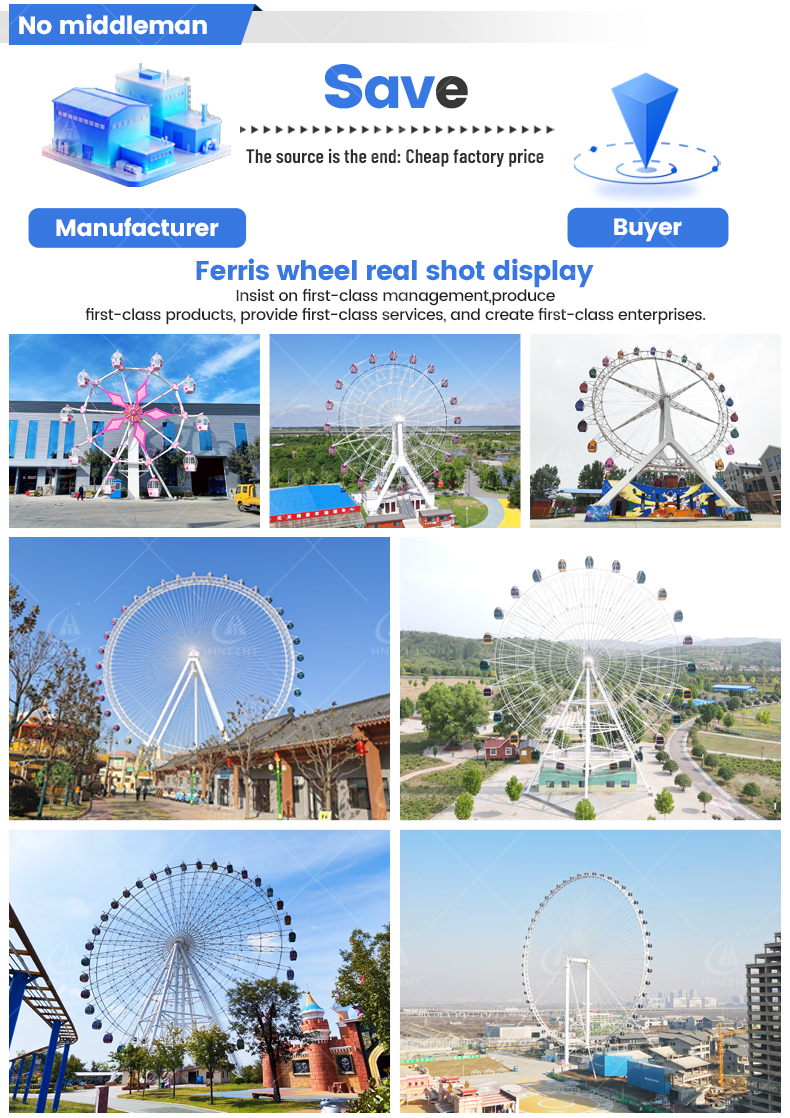
A Ferris wheel can be a calm all-age sightseeing ride, a visual park anchor or a destination-scale landmark. Select the role first. A 20m or 30m wheel may fit a compact family park or public square; a 42m or 46m wheel can support a stronger scenic presence; a 66m wheel requires landmark-scale engineering and operating planning.
Use the supplied parameters correctly
The product workbook provides 20m, 30m, 42.1m, 46m and 66m configurations. It lists capacities of 40, 80, 96, 104 and 216 riders respectively. Those figures are useful for early comparison, but final clearance, foundations, rider restrictions and operating performance must be confirmed from the delivered model’s approved documents.
Supplied Configuration Comparison
| Model | Height | Capacity | Gondolas | Planning area | Drive power |
|---|---|---|---|---|---|
| 20m | 20m | 40 riders | 10 | 18.3m × 15m | 10kW |
| 30m | 30m | 80 riders | 20 | 18.3m × 15m | 10kW |
| 42m | 42.1m | 96 riders | 24 | 22m × 22m | 12kW |
| 46m | 46m | 104 riders | 26 | 24m × 17m | 16kW |
| 66m | 66m | 216 riders | 36 | 36m × 30m | 26kW |
Note: Values are from the supplied workbook. Verify final project data in approved documentation.
Compliance and Document Control
Confirm the local approval path
Requirements vary by country, region, authority and insurer. Confirm required permits, inspection, manufacturer and installer qualifications, operating obligations and destination-market certification needs before the final technical specification is signed.
Request verifiable evidence
Ask for approved general-arrangement, foundation and electrical drawings; operation and maintenance information; factory and commissioning records; a complete configuration list; and the project’s compliance plan. A generic certificate or website statement is not evidence that the delivered configuration meets every local requirement.
Buyer Document Checklist
- Relevant manufacturer and installer qualifications
- Approved foundation and electrical drawings
- Operation, maintenance, inspection and emergency documentation
- Factory and commissioning records required by contract and local authority
Structure, Drive and Gondola Systems
Review the wheel as an integrated system
The rim, spokes, supports, main shaft, drive, gondola suspension, cabins, platform and controls must be reviewed together. Link each critical element to a drawing, material specification, maintenance requirement and inspection point instead of relying on broad quality claims.
Clarify the control philosophy
Ask how speed, position and abnormal operation are monitored; how gondola suspension components are inspected; which environmental limits apply; and which loads are included in the electrical design. The supplied product information describes reduction-motor and friction-wheel drive arrangements, but the exact component list must be agreed for the delivered model.
Site Engineering and Civil Works
Plan beyond the nominal footprint
The workbook planning area is not the full project boundary. Add approved foundations, operating clearance, queue and exit routes, maintenance access, emergency access, drainage, grounding, lighting infrastructure and crane or delivery routes before confirming a location.
Validate site environment
Observation wheels are exposed structures. Validate local wind loads, operating wind limits, lightning protection, corrosion strategy, drainage, electrical enclosure ratings and weather shutdown procedures for the exact site and final configuration.
Project Checkpoint
The workbook planning area is a product-reference figure, not the complete civil boundary. Add local setbacks, access, queueing, maintenance and emergency provisions before finalizing the location.
Visitor Experience and Theming
Choose customization that has a purpose
Cabin styling, color, graphics, lighting and passenger information can create a more memorable experience. Select details that support views, wayfinding and a coherent theme without blocking maintenance access or operational visibility.
Plan night-time use responsibly
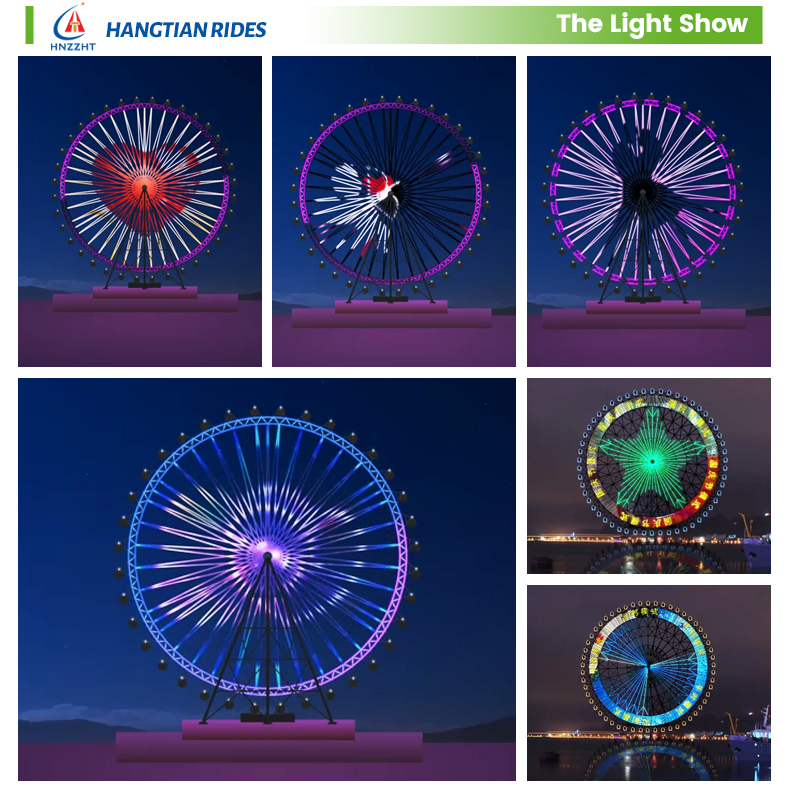
A programmed lighting package can help a Ferris wheel become a night-time landmark. Define operating hours, energy use, maintenance access, content approval and any neighborhood limits. Put the lighting and cabin package in the signed configuration schedule, not only a visual render.
Operations, Throughput and Maintenance
Model real throughput
Rated capacity is not hourly throughput. Loading time, rider checks, accessibility, operating speed, ride cycle, staffing, queue process and weather interruptions all change actual guest volume. Build conservative, expected and peak operating scenarios from the delivered ride cycle.
Make readiness measurable
Use a documented pre-opening check, planned preventive maintenance and a clear escalation route for faults. The final checklist must follow the delivered operation and maintenance manual and applicable local requirements.
Whole-Project Cost and Lifecycle Planning
Compare complete scope
The equipment price is one part of the project. Compare configuration, export packing, transport, foundations, utilities, cranes, installation, commissioning, inspection support, training, initial spares and planned lifecycle maintenance on a like-for-like basis.
Do not rely on generic ROI claims
Use documented capital cost, realistic operating cycles, visitor forecasts, ticket strategy, downtime allowance and site operating expenses. Do not convert nominal capacity or generic internet pricing into a project return claim.
Contract Scope and Delivery Control
Attach the technical schedule
The contract should include the exact configuration, drawings, cabin description, electrical requirements, lighting package, document deliverables, factory acceptance tests and buyer or supplier responsibilities.
Protect delivery and service outcomes
Define payment milestones, delivery date, Incoterm, packaging responsibility, installation scope, commissioning conditions, warranty limits, spare-parts availability, response expectations and how changes or nonconformities will be handled.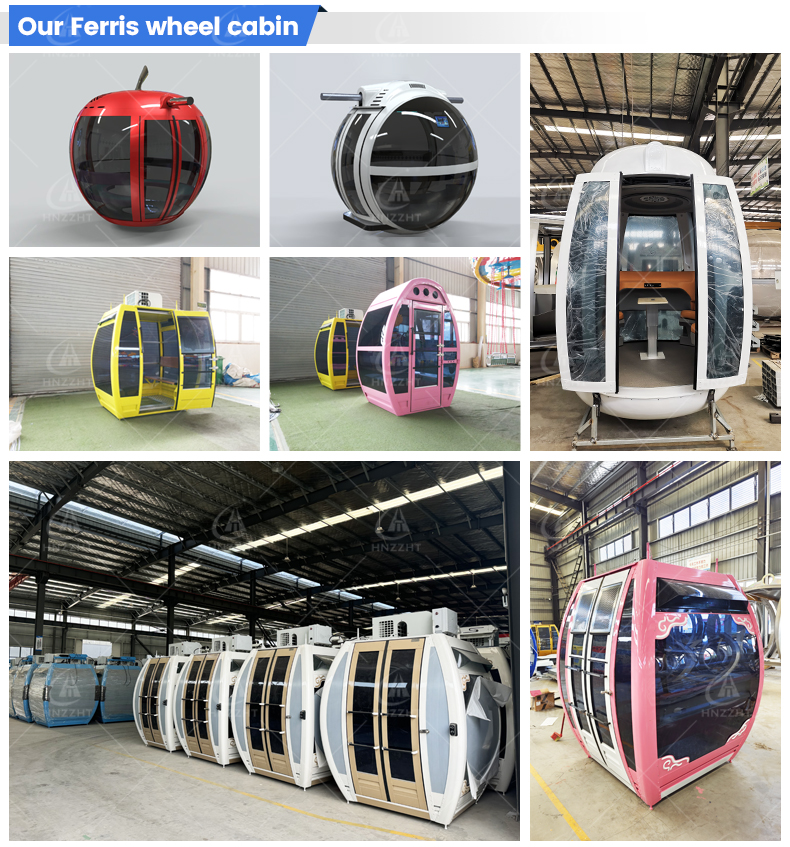
Supplier Assessment and Acceptance
Assess capability with evidence
Evaluate design capability, manufacturing controls, comparable project references, quality documentation, export experience and installation/service support. When feasible, arrange a factory review or independent inspection focused on the proposed configuration.
Close the handover properly
Verify delivered configuration and nameplate data against the contract; witness agreed functional tests; close corrective actions; complete operator training; and retain drawings, manuals, inspection records and maintenance logs in a controlled site file.
SEO Content that Supports Buyer Decisions
Use keywords naturally
Use Ferris wheel for sale, giant Ferris wheel, 30m Ferris wheel, 42m Ferris wheel and observation wheel manufacturer where they answer a genuine buyer question. Pair the terms with original images, verified specifications, planning context and useful FAQs rather than keyword repetition.
Make information helpful and transparent
Google recommends people-first, helpful and reliable content. Explain which product facts are confirmed, which elements can be customized and which engineering, safety and compliance items need final local confirmation.
Conclusion
A Ferris wheel can strengthen a destination’s identity while providing a comfortable viewing experience for a broad visitor range. Use commercial search terms to discover relevant options, but use approved drawings, documentation, inspections and contract schedules to make the final purchase decision.
This guide is for procurement and SEO-content reference. Final technical, safety, engineering and commercial decisions must be based on the delivered model and applicable local requirements.