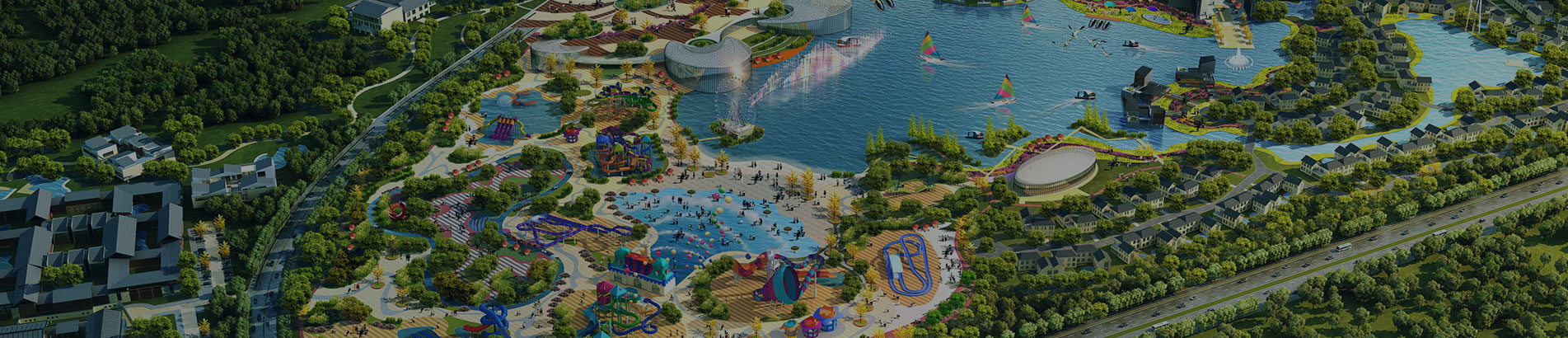
From iconic city landmarks to portable carnival attractions, Ferris wheels captivate audiences worldwide. Understanding their variations is crucial whether you’re considering ferris wheel for sale, planning ferris wheel hire, or exploring model ferris wheel projects. Here’s a breakdown of key classifications:
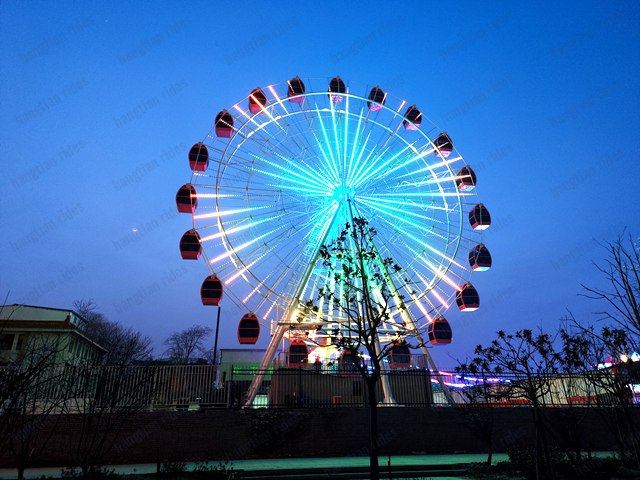
🎡 1. By Structural Design & Mobility
– Fixed Observation Wheels:
Permanent installations like the renovated 128-meter Jinji Lake Ferris Wheel, featuring enclosed cabins with climate control and thematic designs. Ideal for tourism hubs.
– Transportable Wheels:
Engineered for ferris wheel hire companies, these modular units assemble quickly using trailer-mounted sections. Common at festivals, with steel frames supporting 15-30 gondolas.
– Portable Carnival Wheels:
Lightweight variants on single-trailer bases, often with open-air seats. Dominant in traveling shows due to rapid setup/teardown.
⚙️ 2. By Scale & Capacity
– Giant Wheels (60m+):
Require deep foundations and custom engineering. Ferris wheel price ranges $10M-$25M+, influenced by materials (e.g., corrosion-resistant steel) and automation systems.
– Mid-Sized Wheels (30m-60m):
Balance capacity and mobility. Popular for permanent parks or semi-permanent fairs. Average cost: $1.5M-$8M.
– Compact Models (<30m):
Include prefabricated designs for family entertainment centers. Ferris wheel manufacturers often offer standardized kits starting at ~$200,000.
– Model Ferris Wheels:
Miniature replicas for education or display, using electric motors and LED lighting. DIY kits available under $500.
🔋 3. By Power System & Experience
– Electric Drive Wheels:
Standard in modern designs, enabling smooth starts/stops and adjustable speeds via frequency converters.
– Solar-Powered Wheels:
Emerging sustainable option, integrating photovoltaic panels into gondola roofs or support structures.
– Interactive Cabins:
Luxury versions feature rotating floors, audio systems, or transparent floors—premium options impacting ferris wheel price by 20-40%.
🏗️ 4. Specialized Variants
– Themed Wheels:
Custom-skinned with LED facades (e.g., floral patterns, brand logos). Ferris wheel manufacturers collaborate on bespoke aesthetics.
– Hybrid Attractions:
Combine observation decks with performance stages at their base—seen in venues like the Ferris Wheel Stage.
– Rental-Specific Designs:
Prioritize durability and compliance with temporary installation codes. Include integrated safety sensors and foldable components for ferris wheel hire logistics.
💡 Key Considerations When Selecting a Wheel
– Safety Compliance: Verify adherence to EN 13814 (EU) or ASTM F2291 (US) standards.
– Site Compatibility: Assess soil stability for fixed wheels or space constraints for portable setups.
– Total Cost: Beyond purchase/hire fees, factor in installation, permits, maintenance, and insurance.
– Customization: Leading ferris wheel manufacturers support structural tweaks (e.g., axle configurations) or cabin layouts.
> Pro Tip: For ferris wheel hire, partner with providers offering full-service packages—including transport, assembly, and on-site technicians—to minimize operational risks.
From pocket-sized model ferris wheel collectibles to skyline-defining giants, Ferris wheels continually evolve through engineering innovation. Whether investing in a permanent landmark or sourcing mobile attractions, aligning the wheel type with your operational goals ensures thrilling returns.