
Carousel Ride Manufacturer Selection Guide
A carousel is one of the few rides that can satisfy small children, teenagers and grandparents in the same cycle, which makes it a valuable anchor for a family area. It is also a machine with a rotating steel structure, moving figures, electrical equipment and a steady flow of boarding guests. Choosing the right Carousel Ride Manufacturer is therefore a decision about engineering support and long term operation, not simply about the appearance of the horses. This guide sets out what to examine before you compare quotations.
Start With The Ride You Actually Need
Begin with the site rather than the catalogue. Measure the available footprint, note the walking routes around it, check the power supply and decide whether the ride will operate permanently or travel between events. A compact indoor unit and a large outdoor carousel have different foundations, transport arrangements and maintenance needs. The diameter, number of seats, canopy height and boarding position all follow from those constraints.
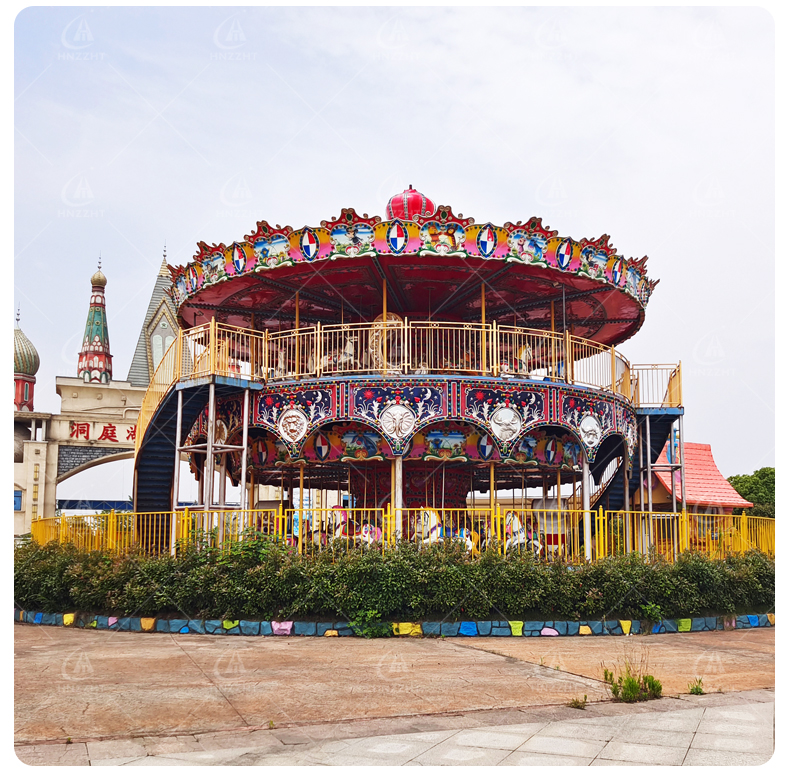
Think about the audience as well. A small Amusement Park Carousel Ride with twelve to sixteen figures may suit a family entertainment centre, while a twenty-four or thirty-six seat machine gives a park the capacity to absorb weekend queues. Consider the mix of horses, benches and accessible seats, because the ride should work for parents with toddlers as well as for older children riding alone. The manufacturer should be able to explain how the proposed layout handles loading, unloading and supervision without crowding the platform.
Weather and duty cycle are part of the brief. An outdoor carousel exposed to coastal air needs a different corrosion protection system from one installed in a covered mall. A machine that runs ten hours a day, seven days a week needs heavier bearings and a more accessible drive arrangement than a seasonal attraction. Give the supplier real operating figures and ask for a design that matches them, instead of accepting a standard model and discovering the mismatch after installation.
Examine The Structure, Drive And Moving Parts
The centre column, slewing bearing, canopy frame and hanger assemblies carry the loads that guests never see. Ask for the general arrangement drawing and the load calculation, and check that the main structure is fabricated from structural steel with a stated safety factor. The platform should be a properly braced steel deck with a non slip surface, not a decorative floor resting on a light frame. Welds should be dressed, inspected and protected, and the foundation drawing should show anchor positions, concrete strength and drainage.
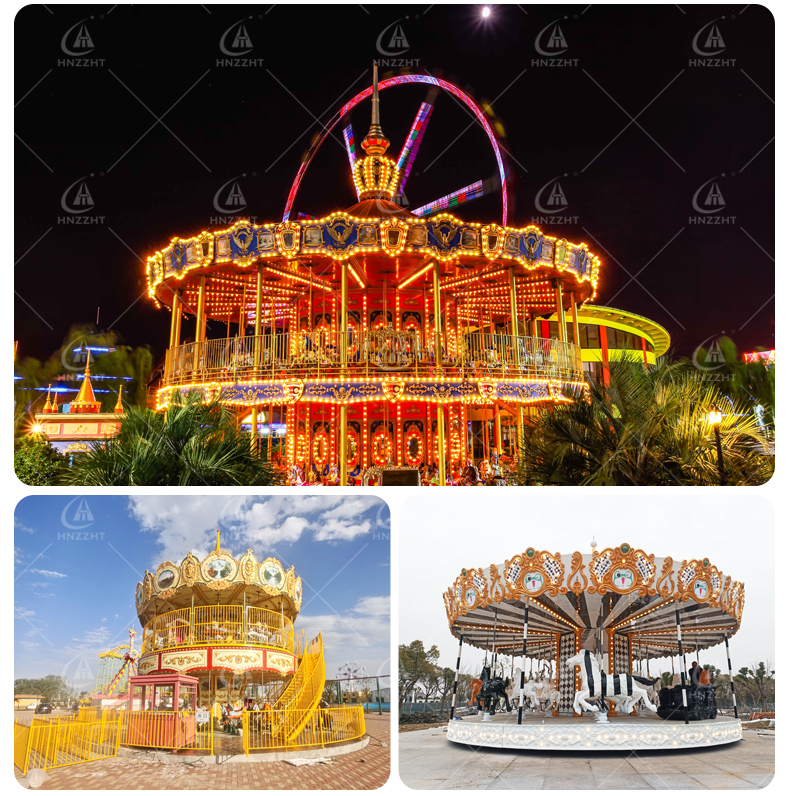
The drive deserves the same scrutiny. A modern carousel normally uses a geared motor with an inverter, giving a soft start, controlled deceleration and a repeatable stopping position. Ask how the platform is held when the drive is stopped, what happens if power is lost and how the brake is released for manual recovery. The hanger mechanism should use sealed bearings and a positive guide for each moving figure, with lubrication points that an operator can reach safely.
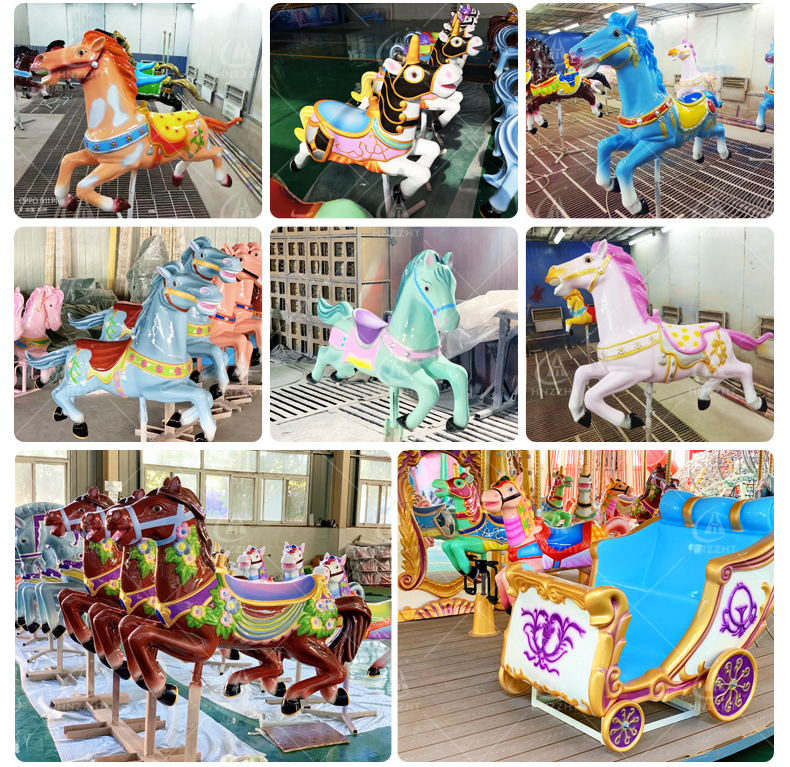
Restraints and boarding details reveal how much thought went into daily use. Seat belts should be fixed at both ends, easy to inspect and difficult for a child to loosen. Handles should be positioned where a rider naturally reaches, and the gap between adjacent figures should leave enough clearance for a parent standing beside a child. Look closely at the entrance gate, the platform edge and the fence line, because these are the places where small accidents begin.
Safety Systems And Verification
A credible manufacturer will describe the design standard, the electrical protection and the tests carried out before shipment. The control cabinet should be sealed, lockable and clearly labelled, with a main isolator, residual current protection and an emergency stop that cuts the drive and applies the brake. Safety circuits should fail safe, so a broken wire or a loose connection stops the ride rather than allowing it to continue. Outdoor installations also need earthing, surge protection and a lightning risk assessment appropriate to the site.
Ask which tests will be witnessed and which documents will be supplied. A useful handover pack includes the operation manual, foundation and general arrangement drawings, electrical diagrams, a factory test record, a load test report, restraint inspection instructions and a spare parts list. Confirm that the documents will be in a language your maintenance team can read. If third party inspection is required in your market, establish at the quotation stage who arranges it, who pays for it and which standard will be applied.
Training matters as much as paperwork. The commissioning team should show your attendants how to load guests, check restraints, operate the ride, respond to an emergency and complete the daily inspection. Ask them to demonstrate a power failure and an evacuation, not just a normal cycle. A manufacturer who is comfortable with that request usually has a mature service process behind the product.
Customisation Without Hidden Compromises
Most buyers want a ride that fits the park’s theme, and a Custom Carousel Ride can be a strong signature attraction. Colour schemes, canopy decoration, figure styles, lighting and music are all reasonable areas for customisation. The important question is whether the changes affect structure, weight distribution or maintenance access. A heavier canopy, a taller centre column or a different figure mounting method may require a revised calculation rather than a simple cosmetic change.
Keep the customisation brief specific. Provide colour references, logo files, preferred themes and any restrictions from the park’s design team. Ask for a drawing or rendering that shows the final proportions, not only a decorative image. Confirm which items are included in the price and which are options: LED lighting, a sound system, a ticket counter, fencing, spare figures, special paint and remote monitoring can each change the scope. A clear specification prevents disagreements later.
Site preparation belongs in the same conversation. The supplier should provide the foundation drawing, anchor bolt layout, required concrete grade, cable entry position and clearance around the rotating envelope. If the carousel will be installed on an upper floor or a temporary site, ask for the imposed load and confirm it with a local structural engineer. Delivery access matters too: a canopy section that cannot pass the gate or lift is an expensive problem to discover on installation day.
Compare Price As A Total Operating Cost
A Carousel Ride Price is only meaningful when the scope is identical. Ask every supplier to quote against the same seat count, diameter, finish, lighting package, foundation design, transport, installation, commissioning, training and documentation. Otherwise a low headline figure can hide missing electrical work, a separate charge for the canopy or an installation crew that the buyer is expected to provide. Request a line by line breakdown and a clear statement of what is excluded.
Look beyond the purchase invoice. Power consumption, bearing life, paint maintenance, restraint replacement and the cost of spare parts all affect the ten year cost of ownership. A slightly higher priced machine with accessible components and a local service arrangement may be cheaper than a bargain that requires specialist parts from overseas. Ask for a recommended spare parts kit and current prices for the items most likely to wear: belts, buckles, hanger bearings, limit switches, contactors and lamps.
Payment and delivery terms should protect both sides. A typical arrangement links payments to production milestones, pre shipment inspection and arrival, with a retention or final payment after commissioning. Confirm the production lead time, the shipping method, the port of loading and who handles import clearance. For a ride purchased through a Carousel Ride For Sale listing, ask whether the advertised unit is in stock or built to order, because that changes both the schedule and the specification.
Audit The Factory And Check The Contract
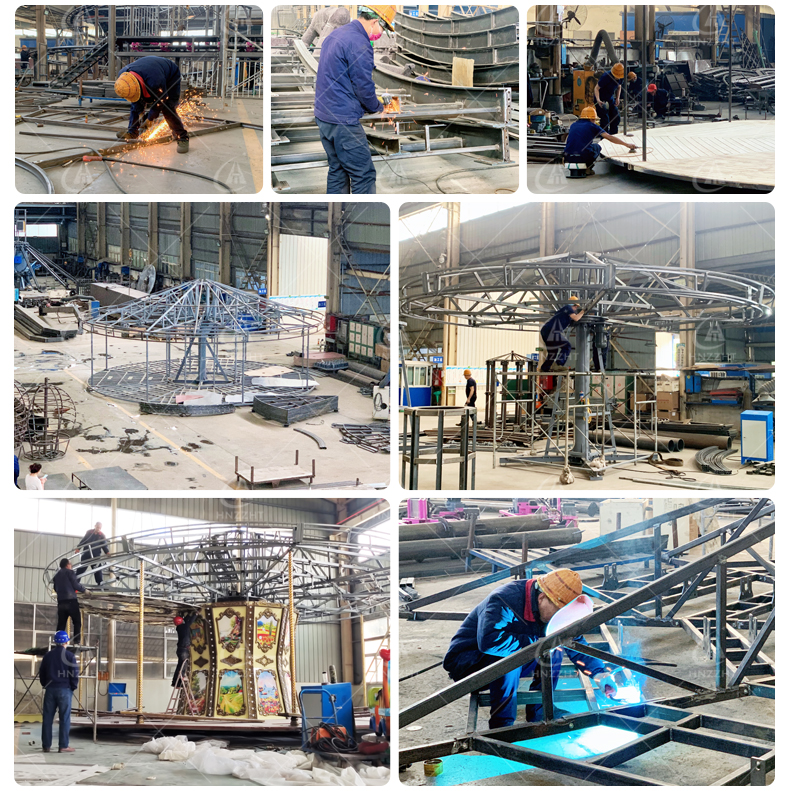
Before placing an order, ask for evidence that the manufacturer actually fabricates and tests the equipment it sells. A video walkthrough of the workshop, photographs of steel preparation and welding, and records of previous carousel projects are useful starting points. If a visit is possible, inspect the cutting, bending, welding, painting and assembly areas, and ask to see a machine under test. A factory that can explain its quality control points is easier to trust than one that only sends a glossy brochure.
The contract should name the model, seat count, dimensions, materials, finish, electrical specification, documents, delivery terms, installation scope, warranty period and response time for service. Include the approved drawings and the final colour schedule as attachments. Agree how minor variations will be handled and who bears the cost if site conditions differ from the drawings. A precise contract is not a sign of distrust; it is the basis for a calm installation and a long service relationship.
Finally, speak to previous customers about the ride after the first season. Ask how often it stopped, how quickly spare parts arrived, whether the manual matched the machine and how the manufacturer responded to a problem in the middle of a busy weekend. Those answers tell you more about a supplier than any showroom display. Choose a manufacturer who can support the carousel for its full service life, and the purchase becomes a reliable asset rather than a one time transaction.