A Clear Path From Supplier Selection To First Ride
Importing an amusement ride is a project, not a simple online purchase. The safest approach is to define the site and operating plan first, compare suppliers on the same technical scope, approve the design and test records before packing, and coordinate shipping, customs, installation and staff training as one connected schedule.
Define The Ride And Site Requirements First
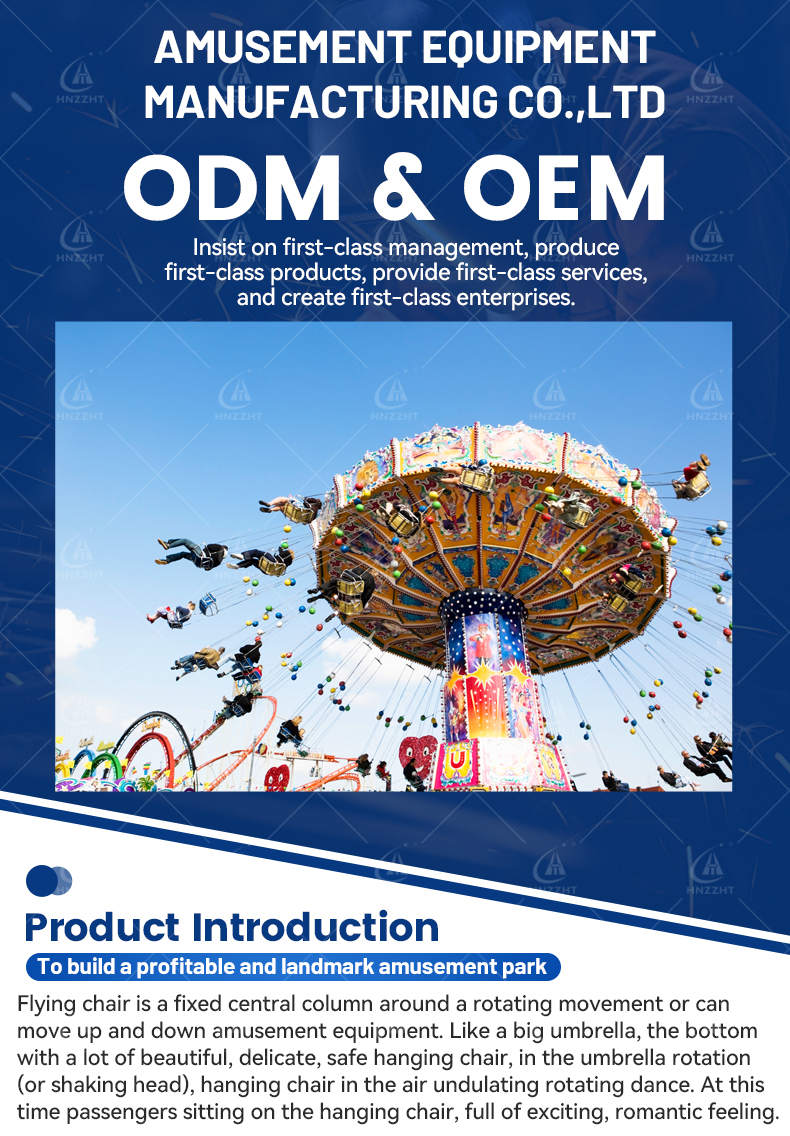
Begin by describing the attraction you need in practical terms. A Flying Chair Ride can vary in passenger capacity, tower height, chair configuration, lighting, drive system and footprint. Give each supplier the same project brief so their drawings and quotations can be compared directly.
Record the available land dimensions, minimum clearance from buildings and trees, soil conditions, wind exposure, voltage, frequency and expected daily attendance. Include photographs of the site and a basic layout drawing. If the ride will operate inside a park with restricted access, state the largest vehicle that can enter and any lifting limits near the installation area.
Ask your local authority what classification, documentation and inspection process will apply before the equipment arrives. Ride height, speed, passenger capacity and restraint design can influence the approval route. A supplier should be able to discuss the intended standard and prepare technical documents for the project rather than offering only a generic certificate.
A useful request for quotation includes the destination country and city, site plan, required capacity, voltage and frequency, foundation limits, preferred theme, delivery date and the level of installation support required.
Shortlist Suppliers With Evidence
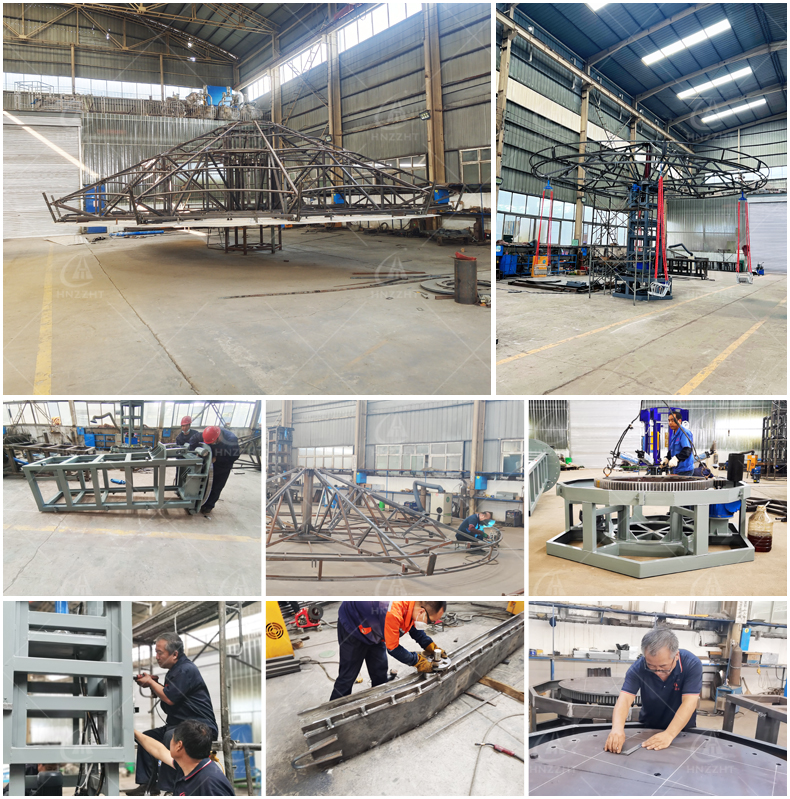
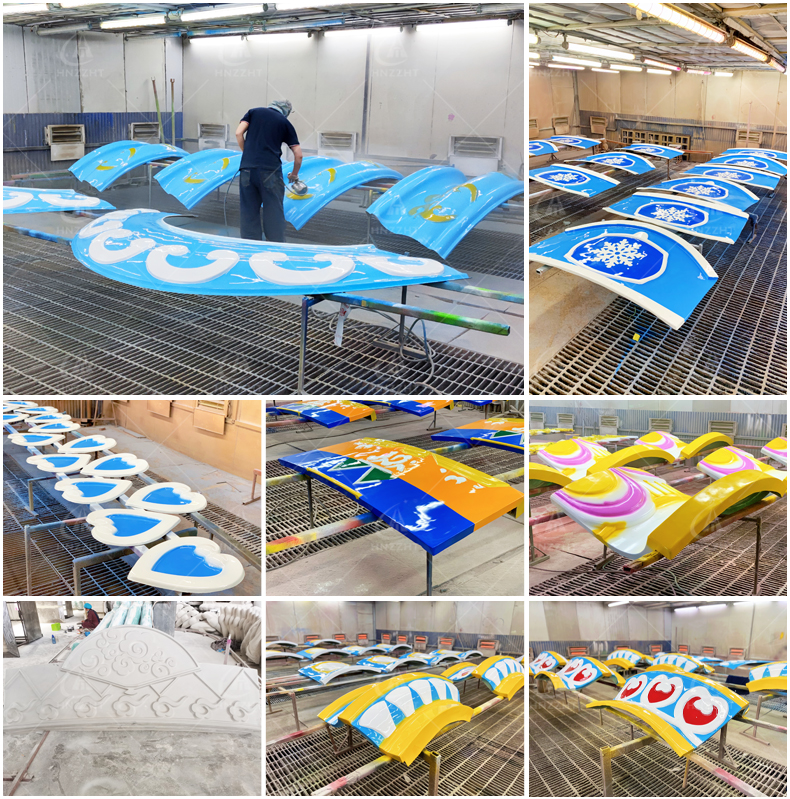
When comparing a Flying Chair Ride for Sale, look beyond the catalog image. Confirm the legal company name, factory address, production capability and export experience. A live video call is useful because it shows the workshop, steel fabrication, painting, assembly area and quality-control process at the same time.
Check the legal entity. Match the business license, quotation, contract and bank details. The payment recipient should be the company signing the agreement.
Review the technical proposal. Ask for the ride layout, main dimensions, passenger arrangement, drive power, foundation loads and material schedule for the exact model being quoted.
Request relevant references. Record the model, destination country, supply date and scope of support. Photos should be tied to a real project rather than presented without context.
Confirm after-sales capacity. Clarify the warranty, spare-parts list, remote support, operator manuals and whether engineers can attend installation and commissioning.
Turn Every Offer Into A Comparable Commercial Package
The headline Flying Chair Ride Price is not enough to judge value. Require every supplier to quote the same list of equipment and services. A complete scope should state whether lighting, control cabinet, foundation anchors, passenger gates, signage, tools, manuals, spare parts and export packing are included.
Compare the relevant Incoterm carefully. Under EXW, the buyer coordinates export clearance and collection from the factory. FOB covers loading onto the vessel at the named port, while CIF and CFR include main carriage but not necessarily destination-port charges, import clearance or inland delivery. DAP may bring the cargo to an agreed destination, but duties and local formalities still need explicit treatment.
Details To Lock Into The Offer
1. Exact included and excluded equipment; 2. HS code and country of origin; 3. package count, dimensions and gross weight; 4. production and shipment dates; 5. inspection, documentation, warranty and payment milestones.
A Flying Chair Amusement Ride order should also identify the governing technical documents. Attach the approved drawing list, paint specification, electrical voltage, control functions, safety devices and testing requirements to the contract. This prevents a later disagreement about what “standard configuration” means.
Approve Drawings, Materials And Factory Tests
Before full production, review the final general arrangement and foundation drawing against the site. Confirm anchor positions, cable routes, drainage, access doors and maintenance clearances. The foundation drawing should show the required concrete strength and the schedule for anchor installation. Any change should be approved in writing before fabrication reaches that part of the structure.
During production, request staged inspection records. Useful checkpoints include material identification, structural dimensions, weld inspection, corrosion protection, electrical assembly and final pre-assembly. For the drive and passenger systems, verify brakes, restraint locks, limit switches, emergency stops, interlocks and warning devices against the approved specification.
Do not rely on photographs of a paint finish as proof of functional quality. Ask for a no-load test record and, where applicable, a load test with calibrated weights. The report should identify the unit, date, test location, measured values and responsible inspector. This file will help your installation team and local authority understand what was verified before shipment.
Plan Packing, Shipping And Import Documents
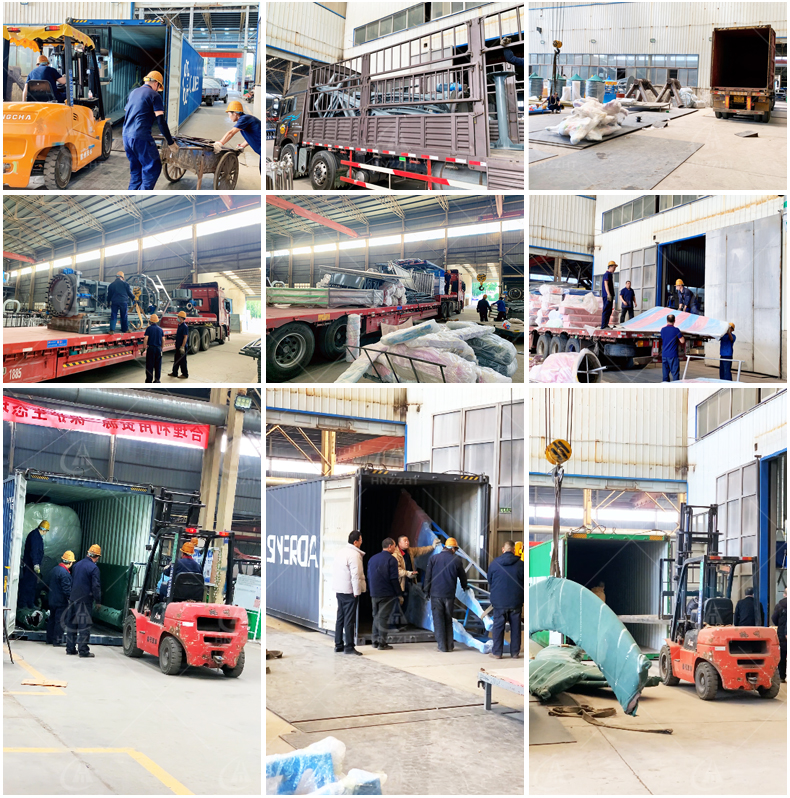
A large ride is normally shipped as several packages. Approve the export packing plan, including steel-frame protection, electrical-component packaging, anti-rust treatment and container loading sequence. Each package should have a clear mark that matches the packing list and assembly drawing. Photograph the completed packing before the container is closed.
Coordinate the commercial invoice, packing list, bill of lading or waybill, certificate of origin and technical file. Check the product description, quantity, value, gross weight and HS classification across all documents. Small inconsistencies can trigger customs questions, especially when the invoice description no longer matches the technical name used in the shipping documents.
Before loading: approve packing photos, shipping marks, seal details and document drafts.
During transit: track the vessel or truck and send arrival documents to the customs broker early.
On arrival: inspect every package for damage and verify quantities before signing the delivery receipt.
Confirm the destination customs broker, import license requirements, duty estimate and inland transport before cargo arrives. Select a truck and unloading method that can handle the largest crate and heaviest section. A lifting plan prepared in advance reduces the risk of holding the container at the port or damaging painted components during transfer.
Install, Test And Train Before Opening
Use the supplier’s assembly drawings and foundation details as the installation baseline. Complete the foundation and check anchor positions before erecting the main structure. Keep fasteners, pins and electrical components in their marked packages until they are needed. Record any site modification and obtain approval before drilling, shimming or changing a connection.
After mechanical assembly, verify electrical phases, grounding, cable protection, brakes, limit switches and emergency controls. Test the ride without passengers and check movement clearances, abnormal noise, vibration and restraint locking. Only then proceed with the approved commissioning tests and record the results.
Train operators and maintenance staff on daily checks, passenger loading, emergency procedures and shutdown steps. The handover file should include the operating manual, maintenance schedule, electrical drawings, spare-parts list, test records and contact procedure for technical support. A short pre-opening checklist can prevent missed inspections when the park is busy.
Use A Final Checklist Before Placing The Order
Before signing, confirm that the quotation, approved drawings, technical specification, inspection plan, packing scope, shipping terms and payment schedule are attached to the contract. Confirm who supplies each document and who is responsible at every point from factory collection to installation.
Before final payment, review the test report, packing photos, loading record and complete document set. Before opening the ride, verify the foundation, mechanical assembly, electrical protection, passenger restraints, staff training and emergency plan. A disciplined import schedule is easier to manage than correcting an incomplete shipment after the equipment reaches the site.
Prepare a concise project brief with the site plan, required capacity, voltage, destination city and target opening date. Send it with a request for drawings, a delivery schedule and a configuration-based quotation for your proposed Flying Chair Ride from China. Clear input at the beginning produces a more accurate technical and commercial response later.