Self-Control Dinosaur Amusement Rides Procurement Guide: 10 Buyer Questions Before You Buy
SEO Title: Self-Control Dinosaur Amusement Rides Procurement Guide: 10 Buyer Questions Before You Buy
Meta Description: A buyer-first amusement rides procurement guide: self-control dinosaur specifications, layout, safety documentation, commissioning and lifecycle planning.
Keyword Cluster: amusement rides; amusement park rides; family amusement rides; amusement equipment manufacturer; self control dinosaur ride for sale; dinosaur amusement ride; dinosaur self-control aircraft
A buyer-first guide combining verified Self-Control Dinosaur specifications with current commercial search intent for dinosaur amusement rides.
Is a Self-Control Dinosaur right for the site?
Buyer focus
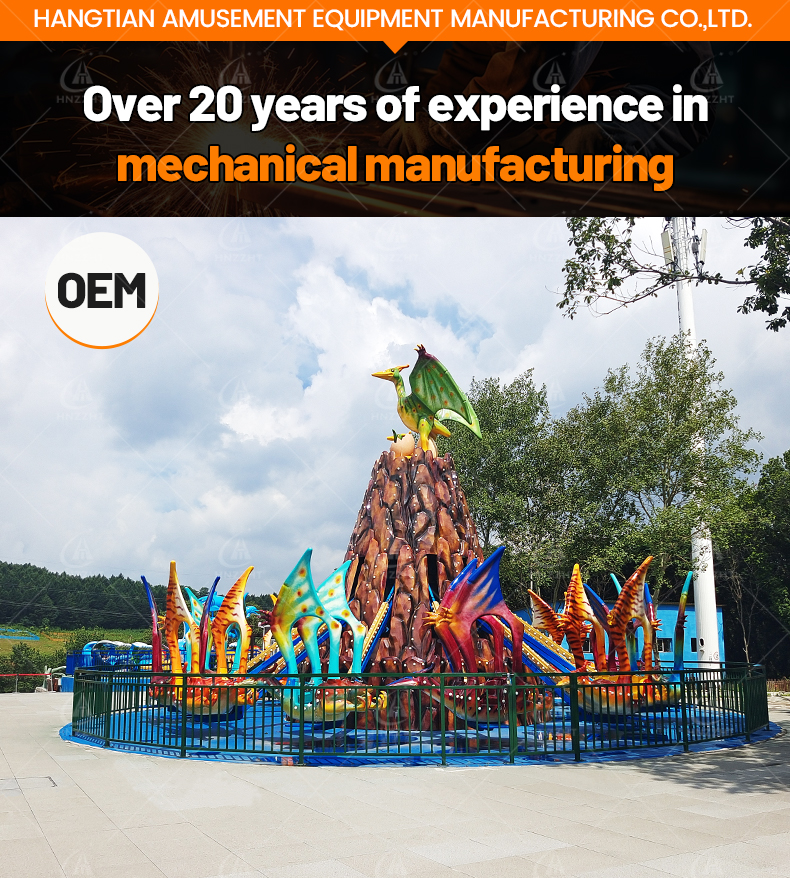
The supplied workbook describes a dinosaur-themed family self-control aircraft that circles a vertical centre axis while riders participate in controlled ascent and descent. That is the commercial difference behind search terms such as self control dinosaur ride for sale, dinosaur amusement ride and dinosaur ride manufacturer: a clear prehistoric visual plus an interactive family experience. At concept approval, record the commercial objective, visible theme message, target guest mix, queue expectation, staffing estimate and a named owner for each unknown. This turns an attractive dinosaur concept into a decision that operations, marketing and engineering can each test against the same brief. Within the wider amusement rides market, this dinosaur-themed interactive unit is best assessed as a family amusement ride with a visible thematic role and a defined operating plan.
Actions and evidence
Choose the guest promise before the decoration. Assess the main-path view, whether parents understand the activity from the queue, the relationship to other dinosaur or children’s attractions, and whether the entrance, exit and attendant position can be observed. Define the expected family audience, accompaniment approach, opening calendar and weather policy before treating a quotation as a site plan.
Buyer risk control
Do not replace operating rules with a catalogue claim. Rider eligibility, restrictions, staffing and local inspection requirements must be defined for the delivered model and destination. A phrase such as suitable for all ages is not an approved operating instruction.
Which specifications are verified and which still need approval?
Buyer focus
The source parameter block identifies 12 dinosaur cabins with two seats each, giving 24 passengers. It declares 380V/220V supply, 25 kW total power, Ø12.2 m × 8.8 m equipment dimensions, Ø15 m floor-area reference, 4.1 m declared operating height and 4.9 m/s declared operating speed. These figures should be copied into every inquiry so bidders price the same commercial baseline. For comparison purposes, ask every bidder to confirm the same parameters in writing and to identify every deviation. Use the technical table as a traceable purchasing baseline, then attach approved drawings and electrical information as soon as they are available. Buyers comparing amusement equipment manufacturers should ask each party to price the same amusement rides configuration, technical data and documentation scope rather than compare headline prices alone.
Verified product specification table
| Product name | Self-Control Dinosaur / Dinosaur-Shaped Self-Control Aircraft |
| Declared power supply | 380V / 220V |
| Declared total power | 25 kW |
| Equipment size | Ø12.2 m × 8.8 m |
| Declared operating speed | 4.9 m/s |
| Declared operating height | 4.1 m |
| Declared floor area | Ø15 m |
| Passenger capacity | 24 passengers (12 cabins × 2 seats) |
| Ride action | Rotating family ride with passenger-controlled ascent and descent |
Actions and evidence
Keep a signed revision register covering the model, cabin count, seating, voltage, power, dimensions, height, controls, finish and exclusions. Obtain approved general arrangement drawings, electrical-load information, foundation interface data, manuals and inspection documents before releasing final civil or utility work.
Buyer risk control
A floor reference is not a complete site design, and the workbook speed must not be converted into a different unit or used to infer cycle duration. Narrative source wording includes another capacity reference, while the parameter block and 12 × 2 layout support 24 passengers. Final requirements follow approved delivered-model documents.
How should the site, layout and guest flow be planned?
Buyer focus
The Ø15 m floor-area reference is a planning start, not a ready-to-operate circle. The layout must show the actual operating envelope, foundation, any required barriers, gates, queue, exit, attendant zone, maintenance route, electrical isolation, cable route, drainage, lighting and emergency access. Separating these layers on a drawing exposes conflicts before construction makes them costly. An early site walk should test crowd crossings, visibility from the operator station, delivery access, maintenance access, drainage slopes and the location of isolators. A layout can look spacious on screen while still producing unsafe pinch points or inaccessible service locations. For amusement park rides projects, the site plan needs a safe operating envelope, guest circulation and service access in addition to the nominal equipment footprint.
Actions and evidence
Design the queue to allow the attendant to count riders, give a consistent briefing and separate boarding from exiting guests. Avoid routes that let a child approach a cabin from an unintended side or leave guardians inside an operating boundary. Consider shade, rain, stroller space and a visible location for approved eligibility information.
Buyer risk control
Foundation design must use approved delivered-model loads and verified ground conditions, not a drawing from another installation. Confirm local power, earthing, protective devices and environmental provisions. Bring the owner’s engineer, competent inspector or local authority into the review early because their requirements can change clearance, documentation and acceptance steps.
What must the operator understand about controls and daily operation?
Buyer focus
The workbook describes rotation with passenger-controlled ascent and descent, supported by mechanical transmission, electrical control and pneumatic or hydraulic auxiliary arrangements. Self-control does not mean that a passenger controls all operating conditions. The delivered manual must define permitted control range, pre-start checks, dispatch, observation, stop criteria and action for an unresponsive cabin control. Operational training should include how to brief families, how to identify a loading error, how to recognize abnormal sound or movement, who has stop authority and where the daily inspection result is recorded. Management should review this process after early operating days. Well-managed family amusement rides depend on trained operators, approved signs and consistent dispatch procedures as much as the themed ride appearance.
Actions and evidence
Write a daily operating sequence for inspection, start-up, loading, dispatch, monitoring, unloading and shutdown. Confirm occupancy and restraints as specified by the manufacturer, keep the observation point unobstructed and record abnormalities before release to service. Cycle time, loading rules and restrictions must come from approved documents and local rules.
Buyer risk control
Use guest communication as a control measure. Explain the cabin-control experience before dispatch in clear words and symbols, then use approved requirements for accompaniment, seated position, loose articles and other restrictions. Do not invent age, height, weather or medical statements for marketing convenience.
How are safety, compliance and risk controls verified?
Buyer focus
The source material refers to deep seats, safety belts, safety chains, handrails, anti-pinch considerations and emergency-stop or power-off functions. These are inspection topics, not proof that a specific serial-numbered delivery meets a destination requirement. Ask for approved drawings, restraint details, control logic, recovery procedure where applicable, test records and operating and maintenance manuals. Do not confuse a stop button with a complete emergency plan. The buyer should confirm documentation for the intended response, local communication arrangements, guest-care responsibilities, post-event inspection and authority to return the equipment to service. Amusement rides procurement should connect risk controls with the delivered model documents, competent inspection and destination-specific compliance confirmation.
Actions and evidence
Manage compliance as a dedicated workstream. Public CPSC material discussing ASTM F24 notes that owner/operators should prepare ride operating documents and maintenance guidance should address electrical components. That supports sound management, but competent inspectors, local authorities and delivered-model documentation decide the actual project requirements.
Buyer risk control
Prepare written responses for unusual noise or motion, restraint concerns, loss of power, illness, weather escalation and recovery or evacuation. Name the person who can stop the ride, communicate with guests and approve return to service. Supplier training scope, records and refresher arrangements should be agreed before opening.
What should be checked at factory acceptance?
Buyer focus
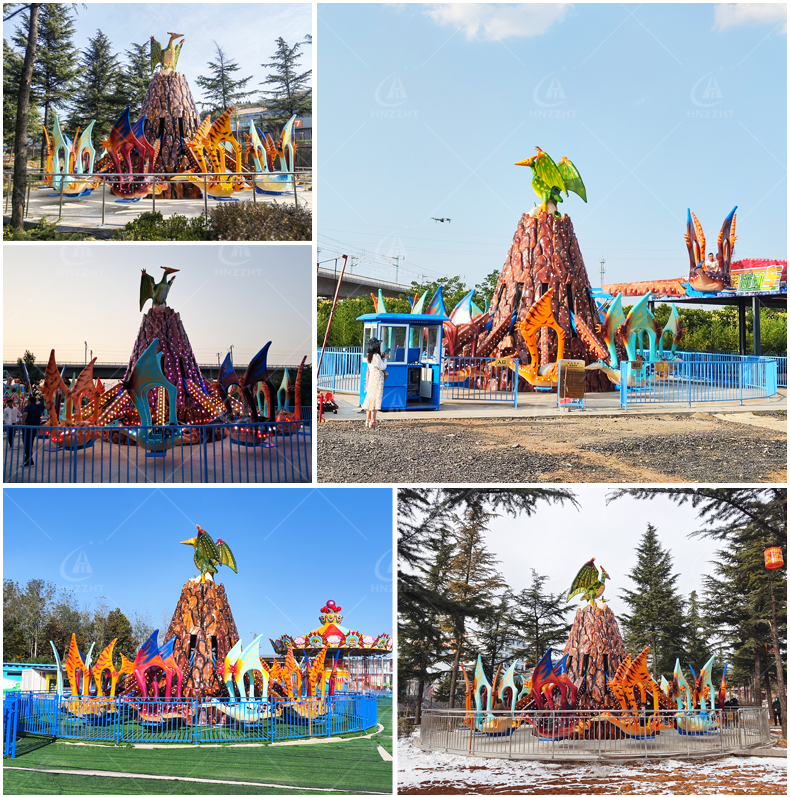
The product description identifies a base, central frame, support hydraulic cylinders, arms, fiberglass dinosaur cabins and drive-related components in the base. A useful factory inspection looks beyond paint colour: compare the agreed scope with cabin count, seating, structural interfaces, mechanical assemblies, wiring protection, access covers, fasteners and finish. Tie findings to drawings and identification markings. Where possible, photograph the evidence requested in the factory acceptance plan and number each finding. The supplier’s corrective-action response should identify the cause, remedy, verification method and closure date, so unresolved items do not disappear during shipping. Factory acceptance is a buyer’s opportunity to verify amusement ride configuration and records before shipment, when corrections are usually more manageable.
Actions and evidence
The dinosaur theme has purchase value, so inspect colour consistency, surface finish, edge treatment, joints, graphics, lighting interfaces and cleaning access against an approved sample or finish schedule. Clarify which spare decorative parts are cosmetic or safety-related, how they are identified and their lead times.
Buyer risk control
Agree a factory acceptance plan for model identity, configuration, controls, restraints, protective features, functional checks, documents, packing and open items. For remote inspection, agree evidence views, measurements, serial-number visibility and authority to record non-conformities. A running video is helpful but traceable evidence protects the buyer.
What must appear in the quotation and contract?
Buyer focus
A low headline price can hide a materially different scope. Compare the exact model, capacity, voltage, controls, decorative finish, lights or audio if included, electrical cabinet, foundation data, barriers, installation supervision, commissioning, training, documents, packing, freight, spares, warranty and permits. Identify responsibility for lifting, civil works, labour, travel, translation and independent inspection. A quotation comparison should show not only totals but also the consequences of each exclusion. For example, missing foundation data, training, barriers, lifting or travel can delay opening even when the equipment price initially appears competitive. An amusement equipment quotation is commercially useful only when its inclusions, exclusions, delivery evidence and commissioning responsibilities are equally clear.
Actions and evidence
Tie commercial payments to milestones that can be checked, such as drawing approval, manufacturing evidence, factory acceptance, shipment, arrival, installation and final acceptance. Define change control, drawing revisions, delivery terms, packing list, insurance, delay communication, defects and pre-dispatch documents. Capacity, voltage and site-interface changes can affect design and approval.
Buyer risk control
Scrutinise quotations that cannot name the configuration, use undefined international-standard language, cannot explain the document pack, offer a footprint without clearance discussion or dismiss local compliance. A reliable supplier distinguishes a sales idea from a project commitment, and acceptance should depend on agreed evidence.
How should installation, commissioning and acceptance be managed?
Buyer focus
Plan before shipment arrives. Hold an installation-readiness meeting covering approved drawings, foundation completion, power, lifting, access, weather, storage, local labour, site safety and documents. Check the packing list at arrival and record transport damage before assembly. Manufacturer-approved installation instructions must control the work rather than assumptions drawn from another ride. Maintain a commissioning register that remains open until every finding is closed. It should connect physical observations with the document package, trainer sign-off, local approvals and the person empowered to make the final opening decision. Installation of amusement park rides should finish with documented commissioning and acceptance, not merely a visual confirmation that the equipment is assembled.
Actions and evidence
Commission against the supplied configuration: check electrical protection, intended motion, controls, protective functions, cabling, labels, restraints, access covers and required tests. Log exceptions with an owner, due date and closure evidence. The handover file should include equipment identity, manuals, drawings, inspection records, training evidence, spares, warranty contacts and locally required documents.
Buyer risk control
Use a signed acceptance checklist as a decision gate. State what was inspected, what was received, what tests were completed and what remains open. If required local permission or third-party inspection is pending, the ride is not ready for public operation even if it looks complete. Installation is not the same as operational acceptance.
What maintenance and spare-parts plan should be priced now?
Buyer focus
The delivered manufacturer manual must determine inspection intervals, lubrication, torque checks, electrical checks, restraint checks, cabin-control checks and records. Maintain a site log with date, operator, observation, corrective action, parts used and release-to-service authority. This supports safe operation, warranty discussions and trend recognition; generic online guidance cannot replace the approved plan for the actual model. Agree communication times and spare-part lead-time expectations before a failure occurs. Keeping an accurate serial number, configuration record and spare-parts history with the ride makes supplier support more efficient and reduces the risk of ordering the wrong part. Lifecycle planning for amusement rides includes the approved maintenance schedule, documented inspections, spare-part identification and supplier support arrangements.
Actions and evidence
Request commissioning and first-year recommended spares with part numbers, quantities, lead times, storage conditions and whether an item affects safety or availability. Confirm how fiberglass parts, controls, electrical components and restraint-related pieces are identified, ordered and shipped. Use locally sourced consumables only after supplier confirmation.
Buyer risk control
Rain, dust, heat, cold, coastal exposure, intensive opening and staff turnover can all change inspection needs. Record the real environment and review repeat faults, guest feedback, downtime and spare use. The purchase creates a lifecycle relationship among operations, maintenance, supplier support and local oversight, not merely a one-time equipment delivery.
What is the final buyer decision checklist?
Buyer focus
Before ordering, confirm the family and dinosaur-theme role; verify that the quotation matches 24 passengers and 12 cabins; obtain layout and utility information; map the operating envelope and queue; identify local approval; compare scope and exclusions; and agree drawing, inspection, installation, training and handover evidence. Every unresolved assumption needs an owner and deadline before payment or civil works. The decision should be reviewed by commercial, engineering, operations and safety stakeholders together. A joint sign-off makes trade-offs visible and prevents an attractive themed purchase from reaching site without an agreed path to compliant operation. For an amusement rides investment, the final decision should balance themed appeal, family-rider experience, site readiness, compliance evidence and lifetime operating support.
Actions and evidence
Before opening, confirm approved installation and commissioning, document delivery, operator and maintenance training, locally required inspection or permission, signs based on approved restrictions, emergency processes, spare access and a signed readiness decision. Reconcile the installed ride, technical file and operating plan. A polished dinosaur façade is valuable but never an acceptance document.
Buyer risk control
A Self-Control Dinosaur can provide a memorable prehistoric focal point and rider participation through controlled vertical movement. The strongest purchase is defined by a clear model, realistic site plan, documented controls, traceable acceptance and funded lifecycle plan. Final engineering, compliance, safety, rider restrictions and operations must be confirmed from delivered-model approved documents and local requirements.
Source note: Product-specific facts: supplied 2025 workbook. General principles: current search-demand review and public CPSC/ASTM F24 material. Final delivered-model and local confirmation is required.