What Are The Characteristics Of 23 Seats Pendulum Rides?
A 23-seat pendulum ride is a full-size swing attraction designed to combine a broad view, strong visual movement, and a clear sense of controlled momentum. Its character comes from more than the passenger count. The gondola layout, swing geometry, support structure, drive system, restraint design, operating envelope, and service access all shape how the ride feels and how efficiently a park can run it. This guide explains the features buyers and operators should examine when comparing a 23-seat model with smaller or larger alternatives.
Capacity That Balances Throughput And Guest Appeal
The most obvious feature of a 23 Seats Pendulum Ride is its ability to carry a group large enough to make each cycle commercially useful without requiring the footprint and investment of the biggest models. Twenty-three guests can be arranged in a gondola layout that supports shared excitement, while the capacity remains practical for parks with moderate queues and limited boarding space.
Throughput should always be calculated from the complete operating cycle, not from the passenger count alone. Add the time needed for boarding, restraint checks, dispatch, acceleration, several full swings, braking, restraint release, and exit. A 23-seat ride can deliver steady hourly capacity when the station is organised well and the crew works to a clear procedure. Smooth boarding and a gate layout that separates waiting guests from the exit path often improve real capacity as much as a modest increase in seating does.
This size also creates a useful balance between the number of riders and the individuality of the experience. Guests are not packed into a very large platform, yet the gondola still feels lively because the movement is shared across a sizeable group. For a family-focused park, a regional fair, or a mixed attraction lineup, that combination can make the ride easier to schedule than either a very small pendulum or a flagship installation with a much longer cycle.
A Recognisable Swing Profile With A Clear Visual Focus
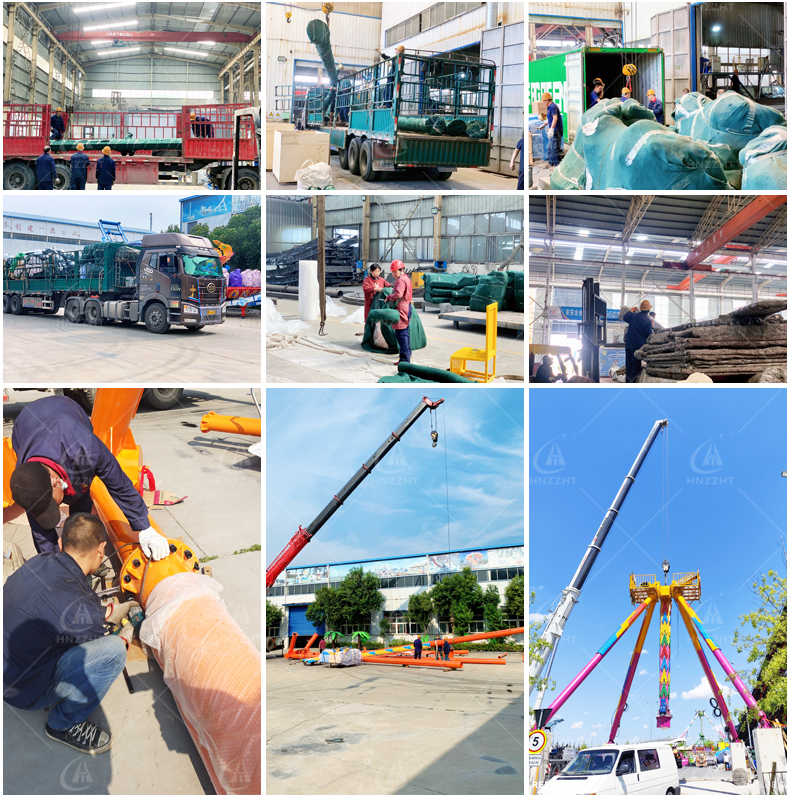
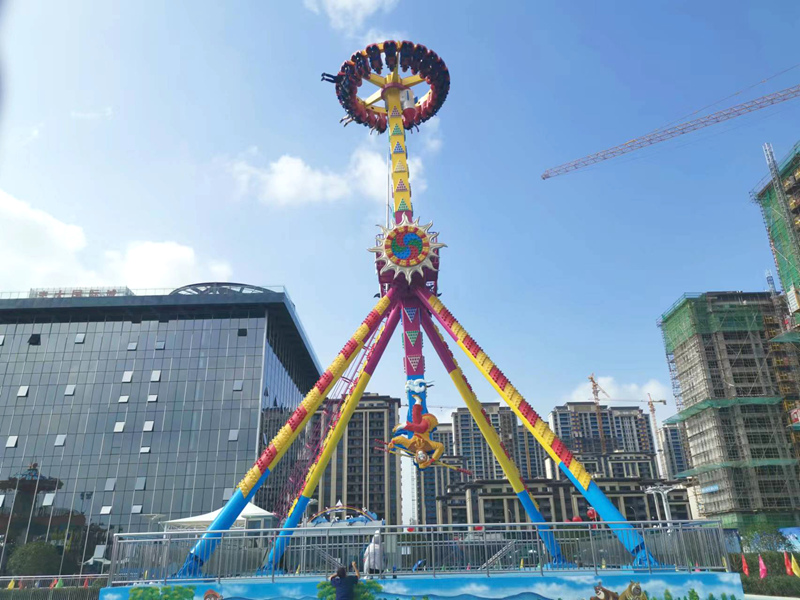
The motion is the defining characteristic. A pendulum ride uses a suspended arm and counterbalanced gondola to build speed through the bottom of the arc and carry guests high on each side. On a 23-seat machine, the scale is large enough to produce a meaningful view and a strong sense of travel, while the supporting A-frame remains a manageable feature within the park landscape.
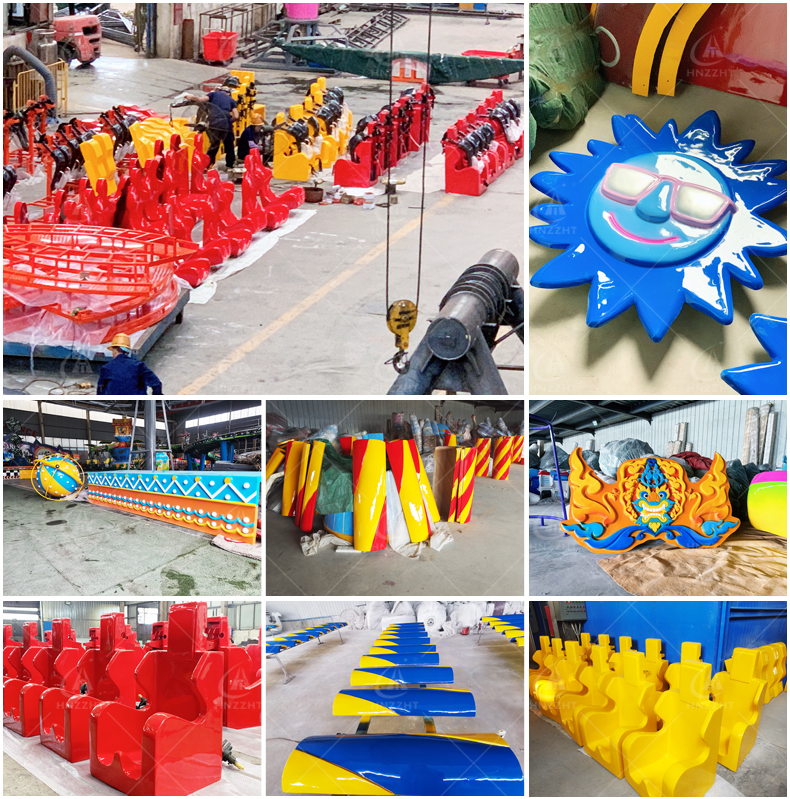
The visual effect begins before guests board. The tall frame, bright gondola, broad swing path, and changing silhouette give the attraction a strong presence from several directions. Lighting can extend that effect after dark, turning the moving arm and gondola into a landmark visible across the park. Decorative panels and a coordinated colour scheme should support the ride’s identity without obscuring inspection points, labels, or moving components.
Ride character also depends on the programmed motion profile. A controlled build-up, a stable sequence of full swings, and a progressive return to the station can make the attraction feel energetic without becoming unpredictable. The best profile matches the intended audience and local operating policy. Operators should confirm that acceleration, maximum angle, cycle timing, and braking are clearly documented and can be adjusted only within approved limits.
Strong But Manageable Structural And Mechanical Design
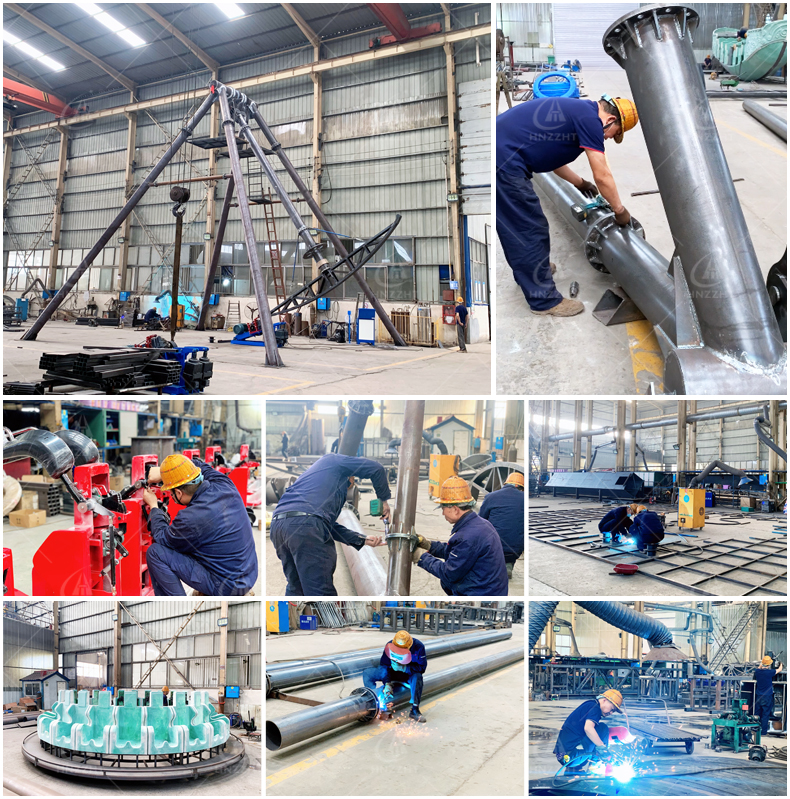
A 23-seat gondola transfers dynamic loads through the main arm, bearings, shaft, frame, and foundations. The quality of that load path matters more than the thickness of any single member. A well-designed Large Pendulum Ride should use a structure engineered for fatigue, repeated reversing loads, local wind conditions, and the specified passenger load. Bolted connections should remain accessible for torque checks, and the steelwork should allow routine inspection without dismantling decorative panels.
The main drive and braking arrangement should provide smooth acceleration, reliable holding, and controlled stopping. Electrical protection, position feedback, speed monitoring, and emergency-stop circuits work as a safety chain. A fault in any critical signal should stop the ride in a defined condition rather than allow an uncontrolled movement. Maintenance access should include safe positions for checking the brake, inspecting the arm and bearings, and reading the control-system diagnostics.
Corrosion protection is another practical characteristic, especially for coastal parks and humid regions. Surface preparation, coating systems, drainage, and the selection of bearings, fasteners, and seals all affect long-term reliability. Buyers should compare specifications rather than appearance alone, and they should ask how wear parts are identified in the maintenance manual.
Guest Containment And Operator Control
Every passenger position needs a restraint system suited to the ride’s motion and approved operating envelope. On an Amusement Park Pendulum Ride, the restraint check should be quick to repeat at every seat and clear enough for the operator to confirm before dispatch. Seat spacing, handholds, foot support, and the boarding posture all influence comfort as well as safety.
The control station should give one operator a complete view of the gondola, gates, and swing path. Status indicators, fault messages, and restart procedures should be understandable without guesswork. Maintaining a clean view is important: signage, queues, or scenic elements must not hide a restraint, a gate zone, or the area beneath the moving gondola.
Daily checks, evacuation procedures, and staff training are part of the ride’s operating characteristics. Ask for a procedure that explains what to do if the gondola stops away from the station, how guests are reached safely, and which parts must be inspected before service resumes. A clear maintenance and emergency plan is valuable in normal operation and essential during an unusual event.
Site Planning, Footprint, And Visitor Flow
The attraction needs more space than the visible base of the frame. The installation envelope must include the complete swing path, safe clearance beneath the gondola, the boarding station, the queue, the exit route, and maintenance access. Designers should also consider sight lines from paths and nearby buildings, because a moving pendulum can attract a crowd and alter circulation around the area.
A strong site plan separates arriving guests from those leaving the ride. Queue rails should prevent visitors from entering the swing zone, while the exit route should lead away from the boarding gate. Lighting, drainage, fencing, and emergency access should be resolved before installation. On uneven ground, the foundation design and the method used to set the frame level require particular attention.
Where a park has several attractions, the ride’s colour, sound, and night lighting can help create a district or a visual landmark. The surrounding area should nevertheless retain clear access for service vehicles and inspection teams. A compact layout is useful, but it should never come at the expense of safe clearances or a well-organised guest flow.
How To Compare A 23-Seat Model And Assess The Investment
When reviewing 23 Seat Pendulum Rides For Sale, compare the full technical package: seating layout, gondola load, swing angle, cycle time, installed power, foundation requirements, restraint type, safety controls, coating specification, and the list of supplied spare parts. Request drawings that show the complete operating envelope and confirm the clearance required around it.
Pendulum Ride Price should be evaluated together with transport, foundations, installation, commissioning, staff training, maintenance, spare parts, and the expected service life. A low purchase figure can become expensive if the ride needs extensive site work or if common wear parts are difficult to obtain. A detailed quotation makes these differences visible and allows competing offers to be compared on the same basis.
Before making a decision, ask for drawings, inspection records, the operating manual, the maintenance schedule, and the scope of after-sales support. Confirm how the ride will be tested before shipment and after installation, who will supervise commissioning, and how replacement parts are identified. The most suitable 23-seat model is the one whose capacity, motion, safety systems, footprint, and support package fit the park’s actual operating plan rather than simply its headline passenger count.
Used thoughtfully, a 23-seat pendulum ride offers a distinctive mix of shared capacity, memorable movement, and manageable scale. Its success depends on selecting the right mechanical package and integrating it into a safe, efficient visitor experience from the first drawing through years of operation.