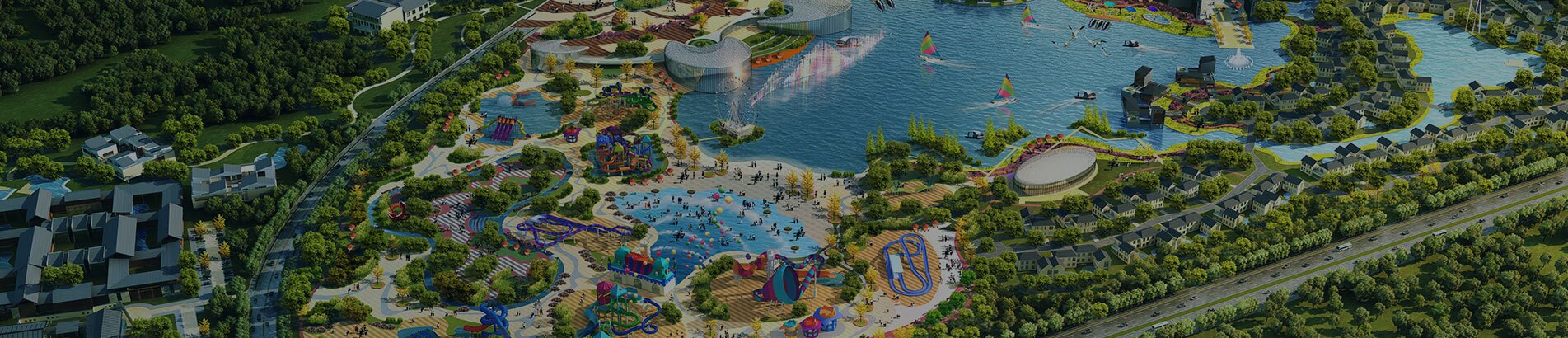
Can A Tea Cup Ride Be Installed Indoors?
Yes. A Tea Cup Ride can run inside a family entertainment centre, a shopping mall, an indoor park or a covered attraction, provided four conditions are met: enough clear floor area for the rotating envelope, a floor that carries the load, a suitable power supply near the ride, and an indoor version of the machine with the right electrical protection and ventilation. The ride itself does not need open air; it needs space, structure and services.
Most tea cup rides are sold for outdoor parks, so the outdoor model is what buyers picture first. Indoors, the design and the site requirements change in ways that are easy to underestimate. The ceiling becomes a limit on the canopy and the lighting, the floor becomes part of the structural design, and the enclosure changes how noise, dust and ventilation behave. None of these is a reason to give up on the idea, but each one belongs in the planning stage rather than the installation week.
Space, Diameter And Overhead Clearance
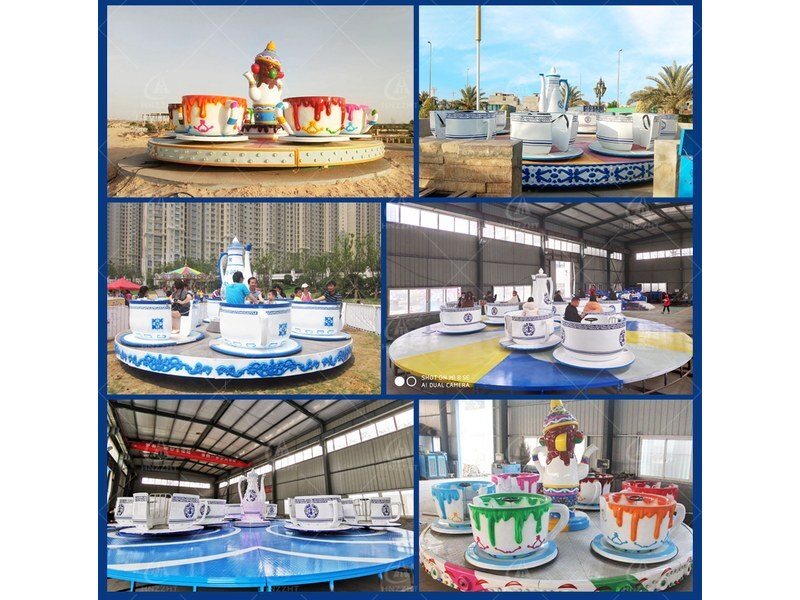
The first number to establish is the outside diameter of the rotating platform plus the cup overhang, and then the clear area the manufacturer requires around it. A small indoor unit may need a clear circle in the region of eight to ten metres, while larger models need considerably more. The fence line, the queue area and the exit path must all sit outside that clear circle, which is why an indoor site usually works out from the finished floor plan rather than from the machine specification alone.
Height is the constraint that catches people out. The platform is low, but the cups swing outward and the canopy, signage and lighting sit above them. In a hall with a low ceiling, a full outdoor canopy may not fit, and the machine has to be ordered without it or with a reduced structure. Measure the ceiling height at the highest point the ride will reach, not at the middle of the room, and check the route the ride has to travel from the loading bay to the installation position.
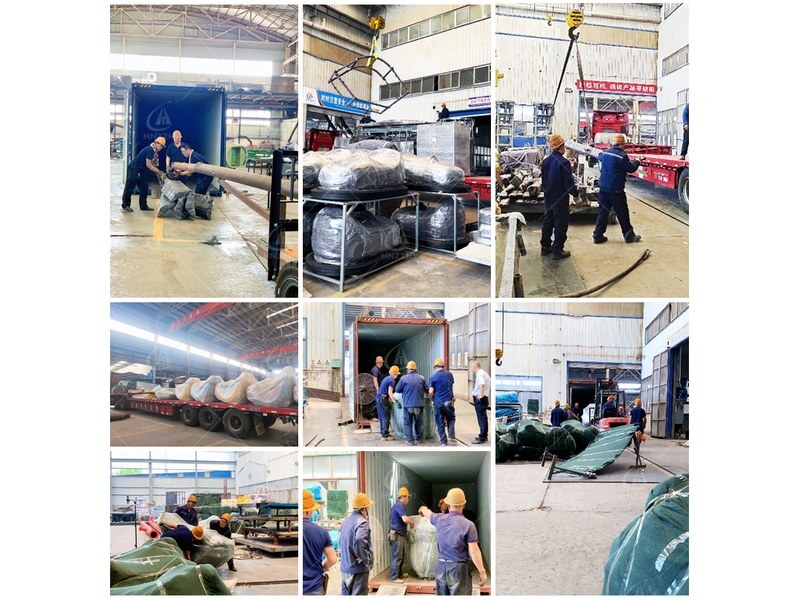
Access for the delivery itself is part of the space question. A ride that fits the hall but cannot pass through the door, the lift or the corridor between them is not an indoor ride for that building. Container unloading, trolley routes and doorway widths should all be confirmed before the order is placed.
Floor Loading, Foundation And Drainage
An Indoor Tea Cup Ride transfers its dynamic load into the floor, and the floor has to be able to take it. A concrete slab in a purpose-built leisure building is usually suitable with a defined anchor layout, while a raised or tiled floor in a shopping centre may need a steel base plate that spreads the load over a larger area. The manufacturer’s foundation drawing gives the point loads, the anchor positions and the flatness tolerance, and a structural engineer should confirm that the existing slab meets them.
Flatness matters more than most buyers expect. The ride rotates, so an uneven floor puts the platform out of level and the drive works against a constant tilt. A small deviation across the platform diameter is tolerable; a visible slope is not. Where the floor cannot be altered, a levelled steel base grouted into position solves the problem without cutting into the slab.
Water is the other consideration. Indoors there is no rain, but cleaning, spills and humidity still reach the base. The floor should drain away from the ride, and the electrical enclosure should be mounted above the wet zone. In a coastal or humid climate, a sealed enclosure and corrosion protection on the base steel are worth specifying at the order stage.
Power Supply, Ventilation And Noise
The ride needs a dedicated supply sized by its motor, its lighting and its control system, with a local isolator that the operator can reach. Indoor installations often share a building supply, so the circuit should be separate from the general lighting and from other attractions, and the voltage and phase must match what the machine is built for. A voltage mismatch discovered after arrival is the most expensive mistake in an indoor project.
Ventilation is usually ignored until the first hot weekend. A ride enclosed in a hall generates heat from the drive and the lighting, and the surrounding space may already be warm. If the hall is air-conditioned, the ride should not sit directly in front of the return air path, where dust and air movement will be noticeable to riders. If it is not conditioned, opening the ride area to the general air flow of the building is usually enough.
Noise behaves differently indoors because there is no open sky to absorb it. The motor and gearbox noise, the music and the announcement system all reflect off the walls. Locating the drive away from hard reflective surfaces, choosing a machine with a quiet drive and setting the audio level for an enclosed space rather than an outdoor park will keep the attraction comfortable for neighbouring tenants and for the staff who work beside it all day.
Safety Requirements Inside A Building
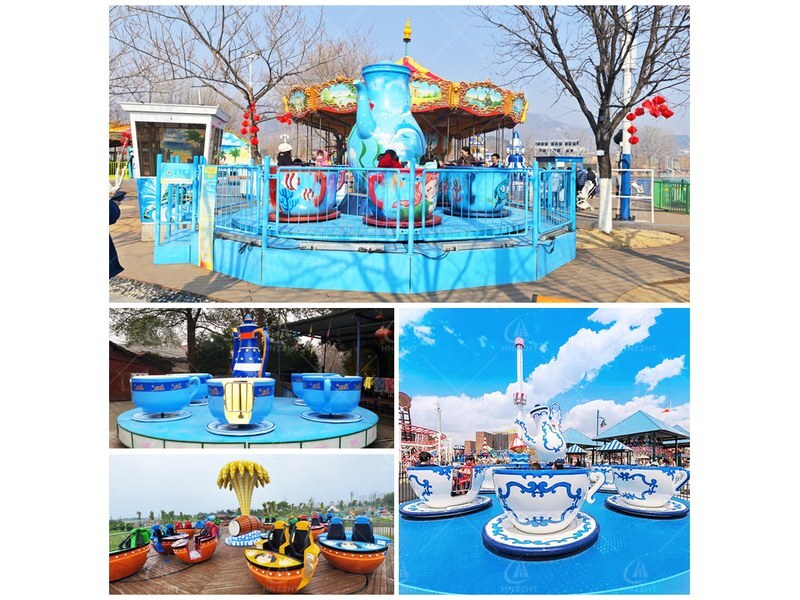
Indoor operation adds safety duties that an outdoor park does not have: the building has other occupants, other exits and other activities close by. The clear area around the ride must be protected by a fence or a gate that cannot be climbed, and the operator must be able to see the whole platform from the control position. The emergency stop has to be reachable without crossing the swept area, and the exit route from the ride must not lead into a crowd or a closed door.
Because the ceiling is close, the swept envelope should be checked against the structure above as well as the walls beside. Lighting fixtures, signage and ceiling panels must sit outside the reach of the cups and clear of any maintenance access. A regular inspection of the fence, the gates, the restraints and the platform surface belongs in the daily routine, and a written checklist kept near the control desk makes the routine verifiable.
- Fence and gate height that prevents climbing and reaching.
- Interlocked gate so the ride cannot start while it is open.
- Emergency stop within reach of the operator position.
- Clear exit path that does not cross the queue or the swept area.
- No fixtures or signage inside the ride envelope or above it.
Choosing The Right Indoor Configuration
An Indoor Amusement Ride is usually specified with a lower canopy, a compact platform, softer lighting and a quieter drive than the outdoor equivalent. Some buyers also choose a version with a themed enclosure around the base so that the ride reads as a designed feature rather than as equipment placed in a hall. The cup design and the centre decoration can both carry a park’s own theme, and because the audience is often young families, the visual style matters as much as the capacity.
Capacity planning indoors follows the same logic as outdoors, with one adjustment: families stay longer in an indoor venue, so a ride that turns over quickly keeps the queue moving. A short cycle with fast, well-practised loading is usually more valuable than a long cycle with an impressive top speed, particularly where the surrounding floor space is shared with other attractions.
What To Send A Tea Cup Ride Manufacturer
When requesting a quotation for a Tea Cup Ride for Sale for an indoor site, send the information that decides the design: a floor plan with dimensions, the ceiling height at the installation position, photographs of the route from the loading bay, the available power supply, and the number of guests you expect per hour. A short video of the space is often more useful than a long description, because it makes the access constraints visible.
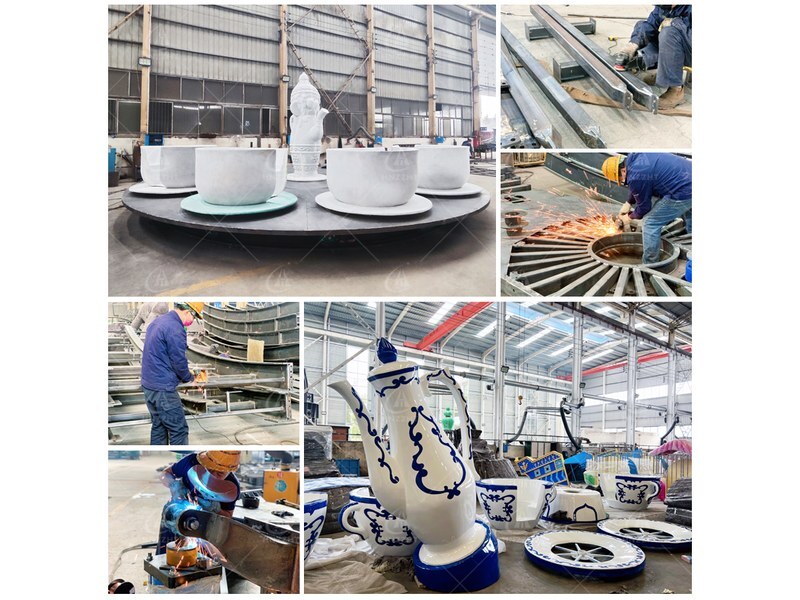
Ask a prospective Tea Cup Ride Manufacturer for the foundation drawing, the electrical load, the clear operating envelope including the cup overhang and the recommended fence layout. Confirm whether the canopy can be supplied in a reduced height, how the machine is packed for a narrow doorway, and what installation support is included. Those four answers decide whether the project runs smoothly.
Indoor operation is entirely practical for a tea cup ride, and for many family venues it is the best use of a compact space. Confirm the clear circle and the ceiling height first, verify the floor and the power supply second, and order a machine built for an enclosed site. When those three steps are done in that order, the ride opens on schedule and stays comfortable for guests, staff and neighbours alike.
Contact us today for a free catalogue and an indoor layout proposal for your tea cup ride project.