What Makes A Mega Bounce Ride Safe For Riders?
A Mega Bounce Ride combines vertical motion, rotation and rapid changes in rider position, so its protection comes from several systems working together. The seat and restraint arrangement keeps riders correctly positioned, the drive and braking system control every movement, and the electrical control system prevents a cycle from starting when a safety condition is not met. Regular inspections then keep those protections reliable throughout the operating season.
Bounce Ride Safety should be considered from the first drawing of the attraction, rather than added after the ride has been assembled. Every component has a role: the foundation carries the dynamic loads, the frame protects the moving assembly, the seat restraints retain each guest and the control logic enforces the order in which the ride may start, run and stop. When these elements are properly coordinated, the attraction can deliver an exciting bounce while remaining predictable for both the rider and the operator.
Rider Seating, Restraints And Body Positioning
The seats are arranged to hold riders securely while allowing the ride to rotate and bounce without excessive movement inside the passenger area. A well-designed seat has a shaped back and base, a smooth surface without sharp edges and enough support to keep the rider in the intended posture. Lap restraints or other retaining devices are adjusted for each passenger before the operator checks the complete row. The restraint must stay closed during the cycle and should be inspected for wear, correct engagement and damage before each operating period.
Height and physical-condition requirements are part of the safety system as well. Guests who do not meet the minimum requirements should not ride, and the operator should follow the manufacturer’s restrictions for persons with certain medical conditions, recent injuries or limited ability to remain seated. Clear signs at the entrance and loading platform help guests decide whether the ride is appropriate before they enter the queue.
- Use only the approved seat position and restraint setting for each rider.
- Check that every lap bar or retaining device is fully engaged before starting.
- Keep loose items, long scarves and unsecured equipment outside the passenger area.
- Stop loading when a rider cannot be positioned safely.
Control Interlocks And Emergency Stop Protection
The electrical control system is designed to prevent unsafe operation. Start interlocks verify that the ride is in its loading position and that the operating station is ready before motion begins. Door, gate or access sensors can prevent a cycle when an entrance is open. Monitoring of the drive and braking condition helps the control system respond if the motion sequence departs from its normal range.
A clearly marked emergency stop is available at the operator station, and its function should be explained to every trained attendant. When activated, the stop circuit removes power from the drive in the designed manner so that the ride can be brought to a controlled condition. The emergency stop is not a substitute for normal stopping, and its reset procedure must never be rushed. The cause of the stop should be identified, the passenger area checked and the system returned only by a qualified person.
Operators should keep the emergency stop, start controls and reset controls within clear reach, without standing in a position where they can be struck by the moving structure. Access points should be secured when the ride is running, and no person should enter the protective area until the ride has stopped and the operator has confirmed that the start circuit is disabled.
Structural Strength And Drive Reliability
The supporting frame, rotating assembly, bearings and connection points must be sized for repeated dynamic loading. Steel members are fabricated and coated to resist corrosion, while fasteners are checked for correct torque and visible movement. The base is important as well: the foundation or portable mounting must match the load requirements and ground conditions specified for the equipment. A stable base prevents unnecessary vibration and protects the alignment of the moving parts.
Drive protection includes more than the motor. Correct gearing, braking, over-travel protection and speed monitoring allow the ride to move through its intended cycle without abrupt or uncontrolled motion. Guards cover exposed rotating parts, and maintenance access is arranged so that a technician can inspect components without disturbing safety-critical settings. Electrical enclosures should be sealed against dust and moisture and connected to a suitable protective earth.
Daily Checks Before The First Rider
An Amusement Park Bounce Ride should have a written opening checklist that is completed before the first guest boards. The attendant inspects the platform, warning signs, entrance barrier and passenger area. Restraints are opened and closed to confirm smooth operation. The operator checks the control station, audio or visual signals and the condition of the surrounding fence, then runs the ride without passengers to verify the normal start, movement and stop sequence.
- Record the time, ride condition and the name of the person completing the check.
- Test restraint locking and release using the approved procedure.
- Confirm that all access gates and barriers are closed before starting.
- Remove obstacles, standing water or loose material from the operating zone.
- Report any abnormal noise, vibration, brake response or control fault immediately.
Operator Training And Passenger Management
The equipment is only one part of ride safety. Every operator needs training in loading, restraint verification, height measurement, start and stop procedures, emergency response and communication with guests. Trainers should explain the reason for each rule, not only the required action. This helps attendants recognize unusual conditions and stop the ride before a small problem becomes a larger one.
Passenger flow should be organized so that the next group waits behind a barrier while the previous group leaves the platform. The operator must be able to see the complete passenger area and all access points from the control position. If another attendant is needed, both people should follow a clear hand signal or spoken confirmation before motion begins. Signs, announcements and queue barriers should support the same message as the operating procedure.
In an emergency, the first priority is to stop the ride and prevent additional guests from entering the protected area. The operator should keep calm, follow the emergency procedure and contact the responsible maintenance or emergency team. Riders should remain secured where the procedure requires it, and the ride should not be restarted until the incident has been assessed and the system has been released by an authorized person.
Choosing A Safe Mega Bounce Ride Supplier
A buyer reviewing a Mega Bounce Ride for Sale should ask how the design is documented, which standards the equipment is built to and what verification is completed before shipment. Request drawings for the foundation and electrical connection, a manufacturer’s inspection checklist, restraint specifications and a clear maintenance schedule. The supplier should explain how the ride is tested, how protective circuits work and how spare parts and technical support will be supplied after installation.
Compare the Mega Bounce Ride Price together with the included scope, installation requirements, spare-parts package and training support. A low initial quotation may exclude foundation work, transport preparation or commissioning assistance. Ask for an itemized offer so that the commercial comparison does not hide an important safety or operating cost.
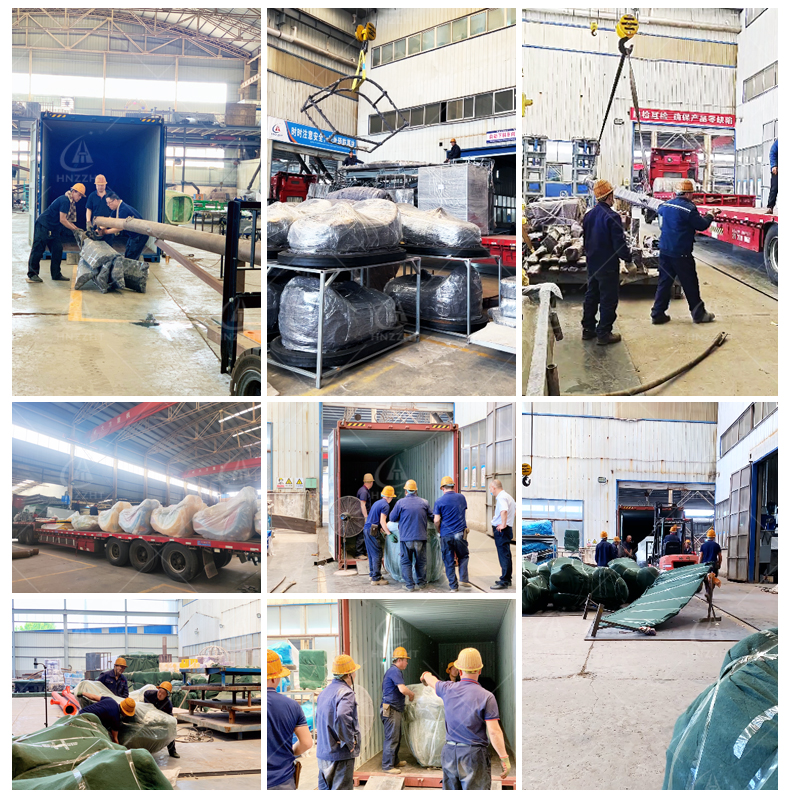
A practical handover should include the foundation and assembly requirements, the electrical supply specification, the operating procedure, emergency instructions, the daily checklist and a recommended maintenance plan. Record the serial numbers of the drive, brakes and safety controls so that replacement parts can be identified correctly. Keep inspection results and fault reports in one maintenance file, especially when changes are made to the controls or passenger area.
Before opening to the public, run the complete commissioning sequence, verify each safety interlock and train the operating team on the actual controls installed on the ride. Confirm that the emergency stop, gates, signs and access routes work as planned. Once the attraction is open, follow the maintenance intervals in the manual and take any unusual motion, noise or restraint condition out of service for inspection.
Safe operation is the result of good design, disciplined daily checks and well-trained staff. When these three parts are kept together, a bounce ride can offer a lively family experience with a clear process for protecting every rider.