
What Do You Do When The Pendulum Ride Breaks Down During Work?
A pendulum ride breaking down in the middle of a working day is a different problem from a machine that will not start in the morning. Guests are on board, the arm may be stopped away from the centre, the queue is watching and the park still has to be run. What happens in the next ten minutes decides whether the event is a short interruption or a serious incident. This article sets out the order of actions for the operator, how to bring guests down, how to read the fault and what to do before the ride is put back into service.
First: Stop, Secure And Take Control Of The Area
The first action is never to hunt for the fault. It is to make sure the ride cannot move again unexpectedly and that nobody walks into the structure. Press the emergency stop at the operator panel, keep the main switch on so that the brake and any holding device stay powered, and then put the physical barrier in place: close the entrance gate, pull the queue fence across and stop new guests from joining. If the arm is stopped above the boarding deck or at an angle, mark the area underneath and around the gondola and keep people out of the swing envelope.
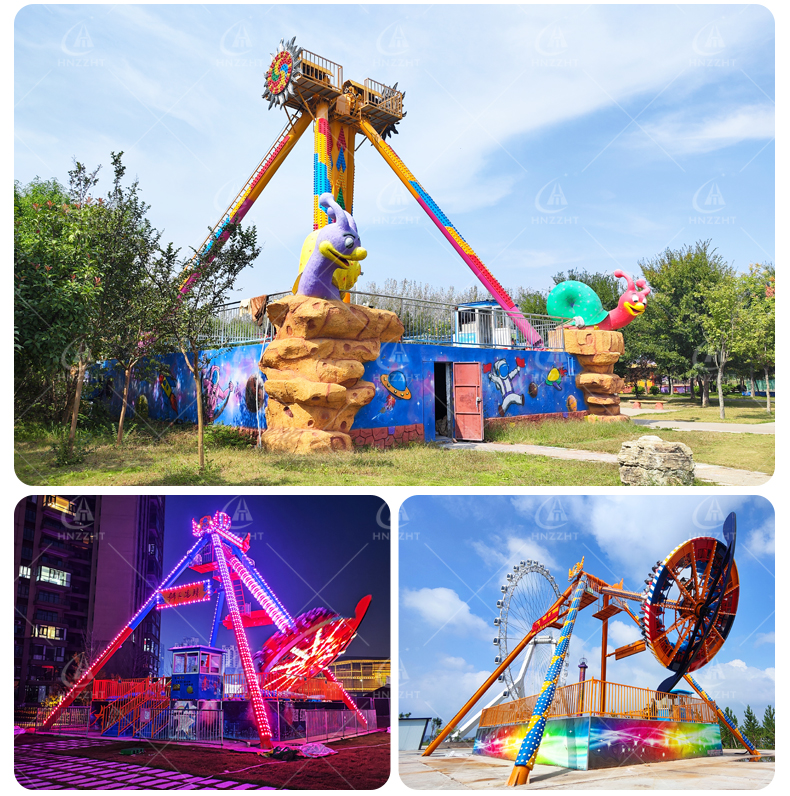
At the same time, broadcast a calm, short announcement. Guests standing in the queue and parents waiting at the fence should hear that the ride has stopped, that everyone on board is safe and that the team is working on it. Panic starts when information stops. One staff member should be given the job of talking to the guests while another handles the machine, and the duty manager should be called immediately, because a stoppage that lasts beyond a few minutes becomes a park management decision rather than a ride operator decision.
Finally, write down the time of the stop, the position of the arm, the alarms or fault codes on the display and who was on board. That single piece of paper is what lets your maintenance team and the Pendulum Rides For Sale supplier work out what happened later, and it protects the park if the event has to be reported.
Bringing Guests Down Safely
Evacuation is the part that must never be improvised. Every Amusement Park Pendulum Ride should be delivered with a written evacuation procedure and the equipment to carry it out, and the crew should practise it before the ride opens to the public, not read it for the first time when the arm stops at the top of its swing. The manual usually defines one of three situations: the ride stopped in the boarding position, the ride stopped out of position but with the drive and brake still healthy, and the ride stopped in a position where the gondola can only be reached with a platform, ladder or rescue harness.
In the first case, release the restraints in the normal way, help guests down one row at a time and walk them out through the exit, away from the machine. In the second case, the machine itself is often the safest way to recover the ride: if the manufacturer’s procedure allows it, use the manual or jog mode to bring the arm slowly back to the boarding position, one staff member at the controls and a second watching the gondola. Never do this at speed, never do it with the guest restraints open, and never do it if the stop was caused by a mechanical noise, a jammed part or anything that suggests the structure is loaded abnormally.
The third case is a technical rescue and needs a plan, not courage. Guests stay seated and restrained, they are told exactly what will happen, and trained staff reach them with the correct harness and fall protection. On a large Thrill Pendulum Ride, the gondola can be several metres above the deck, so the rescue kit, the access route and the people trained to use them must all be known in advance. If your park does not have that capability, agree with the supplier in writing who provides it and how quickly they can attend.
One rule overrides everything else: nobody climbs on the structure or releases a restraint outside the approved procedure, however long the wait. A second injury during a rescue turns a stoppage into a disaster, and no guest is in enough discomfort to justify it.
Reading The Fault: Why A Pendulum Ride Stops Mid Cycle
Only once the area is secure and the guests are off is it time to diagnose. Start with the control system, because most mid-cycle stops are protective actions rather than broken parts. Read the fault code or the alarm history on the PLC or inverter display and compare it with the manual. A drive that trips on overcurrent or overload during acceleration points to a mechanical load, a brake that did not release or a supply problem; a trip during the swing usually points to the position or speed detection.
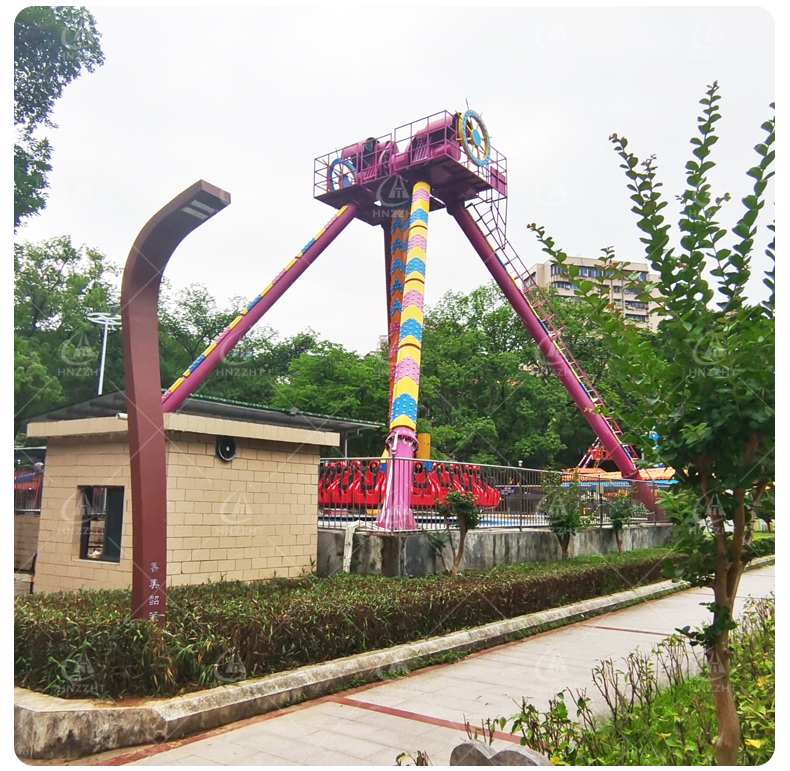
Then check the safety chain. Limit switches, proximity sensors, encoder signals, the restraint confirmation loop, the gate interlock and the emergency stop circuit are all wired so that the loss of a signal stops the ride. A dirty or loose proximity sensor, a bent limit switch lever, a chafed cable or a connector shaken loose by vibration will produce exactly the same symptom as a real failure. These are the faults that can be found and cleared on site, and they are the reason the first check should always be the cheap one.
If the control system is clean, move to the mechanical side and look at the parts that carry the swinging load. Check the bearing housings and the main shaft for heat, noise, play or fresh grease loss; look at the brake for correct clearance; inspect the tyres or drive wheel for wear and the track or rim for damage; and look for anything that has moved, cracked or come loose. On a Large Pendulum Ride, a bearing that has begun to seize will often show itself as a slow increase in current over several days before it stops the machine, so the maintenance log matters as much as the fault code.
Restart, Or Decide Not To Restart
The decision to restart a ride that has just stopped with guests on board is a safety decision, and it should be taken by the person responsible for the machine, not by whoever is closest to the button. Clear the fault, reset the drive, and then run the ride through a full empty cycle from the control panel with the area still closed. Watch the current, listen for abnormal noise, watch the arm through the whole swing and check that every switch and sensor behaves as it should at each position. Only if the empty cycle is completely normal should the ride be reopened.
Do not restart, under any pressure, if the same fault has appeared twice in one day, if the stop came with a noise, a smell, a burnt cable or a mechanical shock, if the brake or any restraint is not working correctly, or if you do not know why it stopped. An unexplained stop is an open question, and the safe answer to an open question is to keep the ride closed. Guests who are turned away are disappointed; guests on a machine whose brake has just failed are injured.
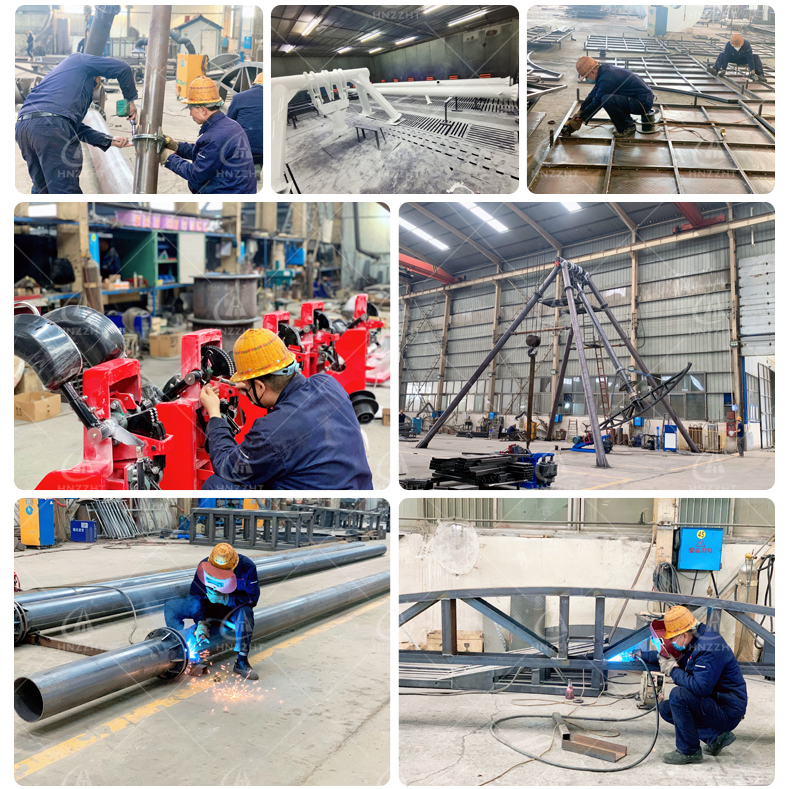
Whatever the outcome, record it. The time of the stop and the restart, the fault code, what was checked, what was found and what was replaced belong in the ride log. That record is what tells you whether you have a one-off event or the beginning of a pattern, and it is the first thing an inspector or your Pendulum Ride Manufacturer will ask for when you call for support.
Getting The Ride Back Into Service
If a part has failed, the repair should follow the manufacturer’s procedure, not a workshop’s best guess. Replace like with like, use the specified grade of bearing, brake lining and cable, torque the fasteners to the figures in the manual and renew any lock washer or split pin that has been disturbed. For structural or load-carrying parts, ask the supplier for the correct replacement and for written confirmation that the component is suitable, because a locally made substitute may fit while being the wrong strength.
After the repair, the ride should not go straight back to full operation. Run it empty through several complete cycles, check every safety device individually, including the emergency stop and the restraint confirmation, and then run it with a controlled load or with staff on board before it is opened to guests. If the fault involved braking, speed control, restraints or the structure, a repeat inspection and test should be carried out and signed off. Where local rules require third party inspection after a major repair, that inspection is not optional.
Spare parts planning is what keeps this downtime short. The parts that stop a pendulum ride most often, restraint buckles and belts, proximity sensors, limit switches, relays, brake linings, contactors and drive boards, should be held in stock with the correct part numbers. A machine that waits a week for a sensor costs far more in lost revenue and reputation than a small parts shelf costs to keep.
Preventing The Next Breakdown
Almost every mid-cycle breakdown leaves a warning that was visible beforehand. Prevent them by making the daily check real rather than a signature: before opening, look and listen to the machine, test the restraint confirmation and the emergency stop, check the brake and the boarding gate, and confirm that the fault history is clean. Weekly, check the torque of the structural bolts, the condition of the swing bearings and the drive, and the clearance of the brake. Monthly and annually, follow the supplier’s schedule for lubrication, wear limits and crack inspection.
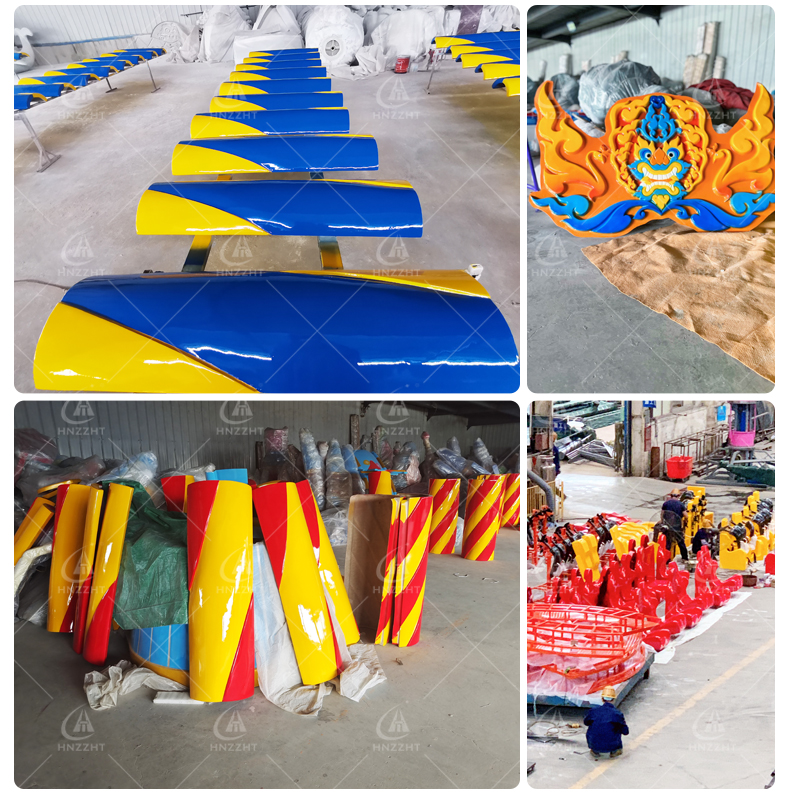
Train the crew for the day the ride stops, not only for the days it runs. Rehearse the evacuation procedure, decide in advance who calls the manager, who talks to guests and who works on the machine, and keep the manual, the electrical drawings and the rescue equipment where the team can reach them in a minute. Confirm the supplier’s emergency contact before you need it, and check before you buy what response time and what spare parts support the supplier actually offers. A pendulum ride that stops will always be an unpleasant morning, but with a written procedure, a trained crew and a maintenance record that is worth reading, it stays an interruption instead of becoming an accident.