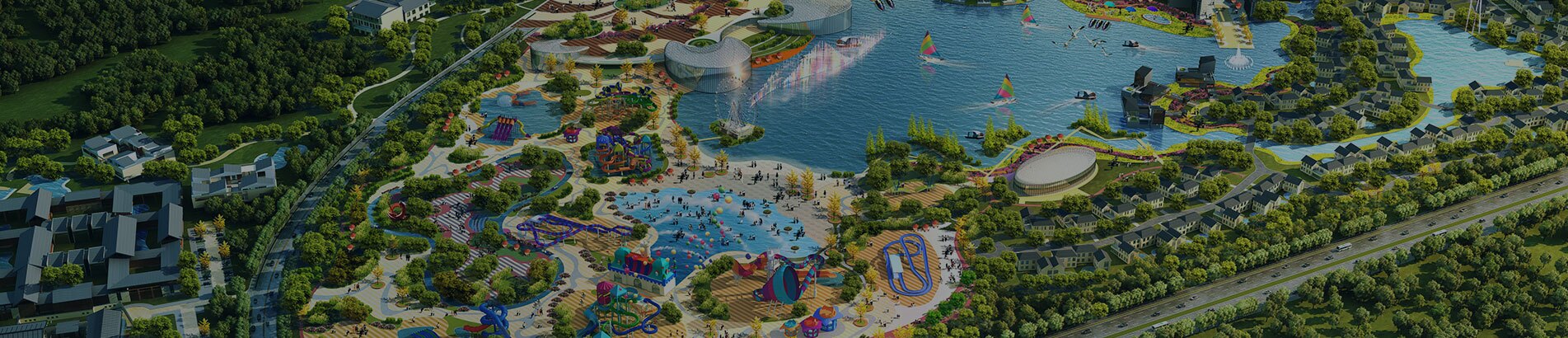
What Decides The Price Of Amusement Park Rides?
Price is set by five things: the type and thrill level of the ride, its size and capacity, the materials and bought-in components, the site works it needs, and the certification and shipping package. Two quotations for the same ride can differ by a third because they include different amounts of the last three.
Buyers ask for a price before they know what they are buying, and suppliers answer with a number that assumes a specification nobody has agreed. That is why the same amusement park rides project can come back at 100,000 and at 140,000 dollars within the same week. The number is not the problem; the missing definition is. Once the five cost drivers are written down, quotations become comparable.
Ride Type And Thrill Level
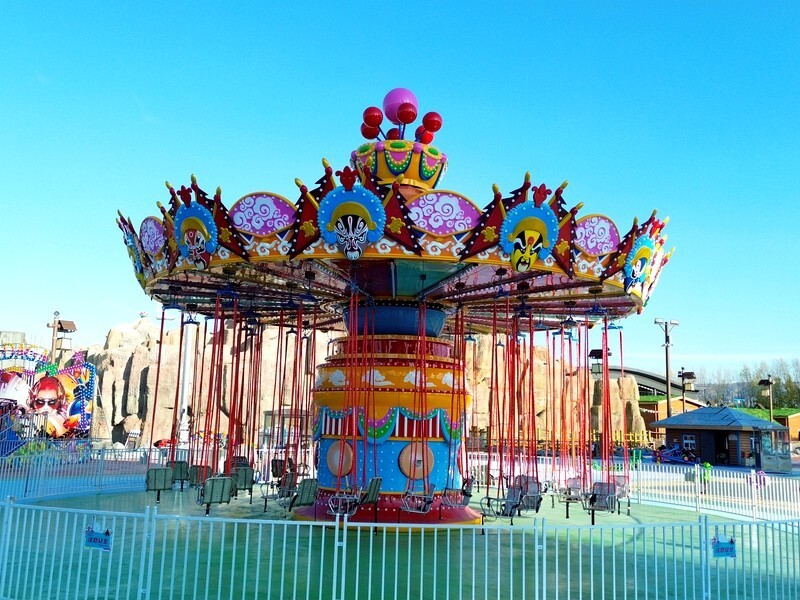
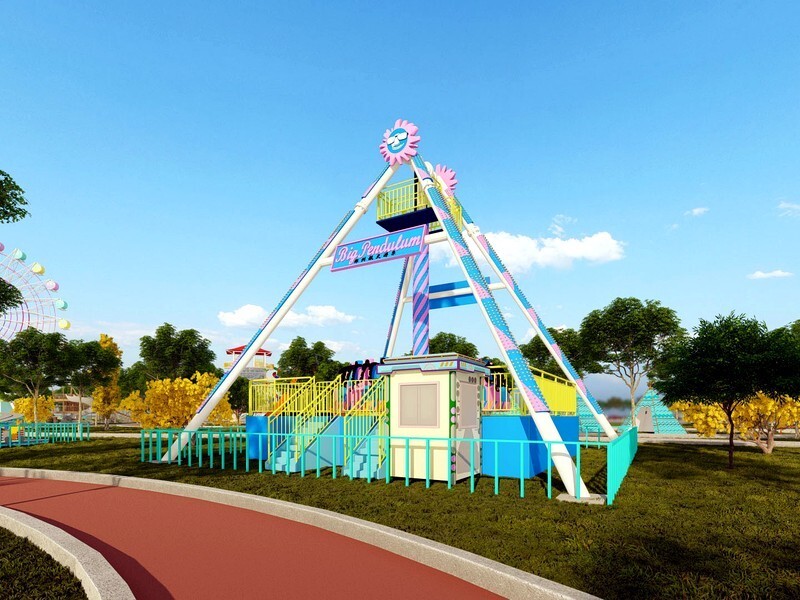
The first driver is what the machine does. A kiddie ride that rotates at walking pace is a light structure with a small motor and a simple control panel. A ride that lifts people, drops them or swings them through a large arc needs a different class of structure, a brake that can stop a loaded machine, and a control system that monitors speed and position. The engineering effort, not the steel weight, is what the buyer pays for at this level.
Thrill level also changes the safety package. Height, speed and the number of simultaneous riders decide the restraint type, the fencing, the evacuation plan and the extent of the test programme. A supplier who quotes a big ride at a small-ride price has usually left one of those out, and the buyer discovers it during inspection.
This is why amusement park rides cost and pricing should never be discussed as a single figure per unit. The useful comparison is cost per rider per hour at a defined cycle time, and that starts with the ride type.
Size, Capacity And Structure
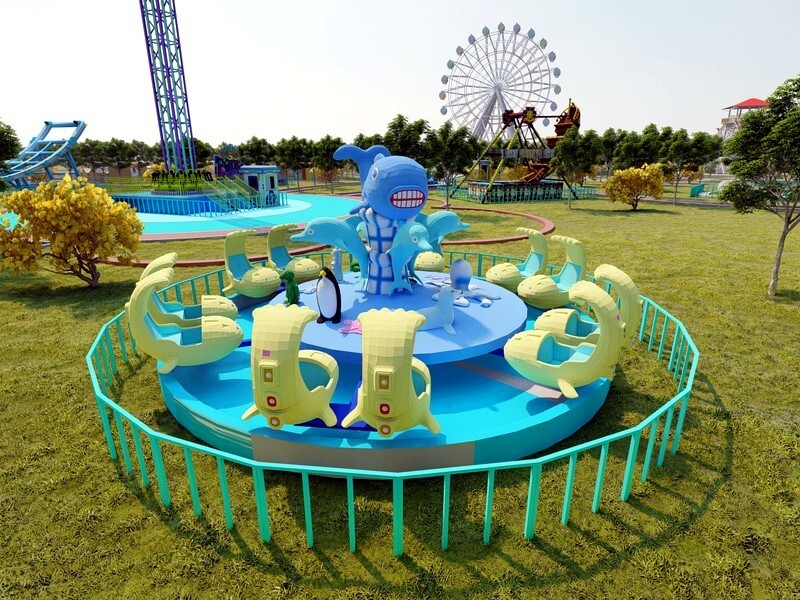
The second driver is scale. Doubling the number of seats does not double the price, but it does move the machine into a heavier structural class: larger frames, bigger bearings, a stronger drive and a foundation that carries more load. A 24-seat swinging ride and a 40-seat version of the same design can sit 60 per cent apart in price, because the second one needs a different base, a larger brake and a taller structure.
Capacity also drives the queue and platform design. More seats mean a wider loading area, more fencing, more staff positions and a longer cycle to load and unload. Those are operating costs rather than purchase costs, but they belong in the same calculation, because a cheaper machine that turns over slowly can cost more per rider over a season.
Footprint is the third element of scale. A compact ride that fits a small plot can be installed on a concrete pad; a large one may need piling, drainage and a redesigned access road. Site works are priced separately by local contractors, and they are the line most often missing from a supplier quotation.
Materials, Drives And Bought-In Components
Two machines with the same drawing can be built to different standards. Steel grade and wall thickness, the quality of the glass-reinforced plastic, galvanising versus painting, and the brand of the gearbox, brake and variable-frequency drive all move the price. A European gearbox and brake can add a meaningful share to the total, and they are the parts that decide how often the ride stops for repair.
The control system is the other hidden variable. A relay panel and a PLC with a touch screen look similar in a photograph and behave very differently after two seasons outdoors. Diagnostic functions, fault logging and remote support are worth money in a park without an on-site electrician, and they are easy to leave out of a low quotation.
Buyers should ask for a component list with brands and models, not a description. A outdoor amusement rides supplier who can name the gearbox and the brake is usually the one whose price will hold.
Site Works, Foundation And Installation
Installation is where budgets slip. The machine price includes the machine; it does not include the excavation, the reinforced concrete, the crane hire, the local electrician, the fencing or the landscaping. On a flat, prepared site those items are predictable. On a site with old services, soft ground or restricted access, they can add a quarter to the project.
The foundation drawing tells you what the supplier expects: slab thickness, reinforcement, anchor positions and the point loads. Asking a local structural engineer to price that drawing before you sign is the cheapest risk check in the project. It also protects the warranty, because a foundation outside the drawing is the first thing a supplier will point to when something moves.
Commissioning belongs here too. A ride that arrives tested but is assembled by an unfamiliar crew needs supervision, and supervision is either included in the contract or bought as a separate service. Ask which it is, and how many days are allowed.
Certification, Testing And Shipping
Compliance is a cost line, not a formality. Depending on the destination, the ride may need a design review, a conformity assessment, structural calculations, or inspection by a nominated body. Each of those has a fee, and each takes time. A quotation that omits them is not cheaper; it is incomplete, and the buyer pays later at the port or at the inspection.
Shipping is priced by volume and by handling. A large ride travels in several containers, and the hull or the frames may need flat racks rather than standard boxes. Insurance, port charges and inland transport are usually separate. Comparing two offers means comparing the same Incoterm, because a price that stops at the factory gate is not the same product as a price delivered to site.
Spare parts and training are the last items. A first-year spares kit, a set of wear parts and two days of operator training cost little against the machine and save weeks against a breakdown.
How To Read And Compare Quotations
A comparable quotation has the same structure every time: machine specification, component list, foundation drawing, scope of installation, certification scope, packing and shipping terms, payment schedule and warranty. Put two offers side by side in that format and the difference in price usually explains itself.
- Same ride type, seat count and cycle time in both offers.
- Component brands and models listed, not described.
- Foundation and installation scope written as include or exclude.
- Certification and testing named for the destination country.
- Same Incoterm, insurance and spare parts package.
The cheapest offer is rarely the lowest total cost. For amusement park attractions that run every weekend, the machine that needs fewer repairs and fewer staff wins over a season, and that is a specification question rather than a price question. The same logic applies to outdoor amusement equipment bought in a package for a new park.
Price is the end of a conversation, not the start of one. Fix the ride type, the capacity and the site, list the components, agree who does the foundation and the certification, and then ask for a number. Suppliers who work in that order give quotations that hold, and buyers who ask in that order stop comparing apples with machines.
Contact us today for a cost breakdown sheet and a specification template for your amusement park rides project.